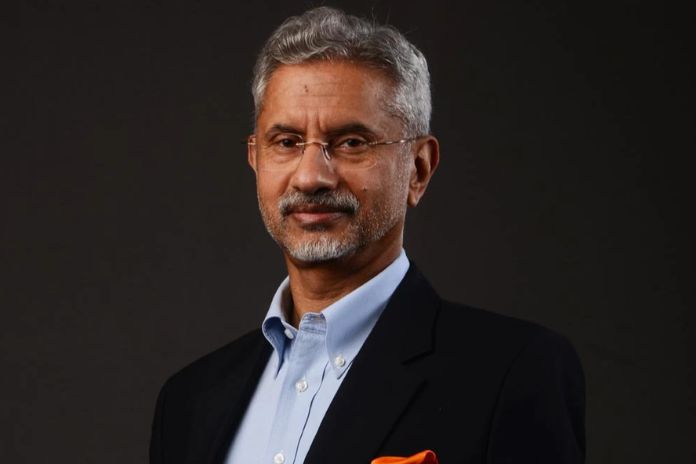
External Affairs Minister Dr S. Jaishankar is on a three-day official visit to Ukraine and Poland from September 3 to 5, 2026, holding high-level talks aimed at strengthening bilateral ties and exchanging views on regional security and the wider fallout of the Russia–Ukraine war.
Itinerary and key meetings
Jaishankar’s trip began with his arrival in Warsaw on September 2, where he was received by India’s Ambassador Neeta Bhushan at Chopin Airport. In Poland, he is scheduled to hold consultations with Deputy Prime Minister and Foreign Minister Radosław Sikorski.
From Poland, the External Affairs Minister will travel to Kyiv for talks with Ukrainian Foreign Minister Andrii Sybiha. The two ministers had a phone call on August 26, during which Sybiha briefed Jaishankar on Black Sea developments, including intensified attacks on ports and maritime routes.
The Ministry of External Affairs (MEA) has described the visit as focused on “enhancing bilateral relations” and discussing “regional developments and issues of mutual interest,” without outlining a specific mediation role or peace formula.
Why the visit matters for India
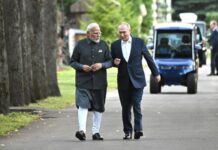
The trip comes soon after Jaishankar’s intergovernmental talks in Moscow and Prime Minister Narendra Modi’s meeting with Russian President Vladimir Putin on the sidelines of the SCO Summit in Bishkek. Together, these engagements highlight New Delhi’s strategy of maintaining open channels with all sides while consistently calling for an end to hostilities through dialogue and diplomacy.
A major area of focus is expected to be Black Sea security and its implications for India. Issues such as freedom of navigation, safety of civilian shipping, and the protection of Indian seafarers have gained urgency following reports of attacks affecting Indian crews in the region.
The war’s disruption to global supplies of food, fuel and fertilisers also remains a critical concern. With grain corridors, energy flows and fertiliser exports repeatedly hit by fighting, the conflict continues to influence international markets and India’s import bills. The visit gives New Delhi a direct channel to assess risks, share assessments with Kyiv and Warsaw, and explore ways to cushion supply-chain shocks.
Escalating war dynamics and timing
The timing of Jaishankar’s trip is significant. Ukraine has recently escalated drone operations and warned that Russian airspace is unsafe for civil aviation. Foreign Minister Sybiha has notified the International Civil Aviation Organization (ICAO) accordingly, prompting some airlines to reroute or cancel flights.
At the same time, the visit precedes President Putin’s planned trip to India for the BRICS Summit. This adds a layer of sensitivity, as India seeks to safeguard its strategic ties with Moscow while expanding engagement with Kyiv and European partners like Poland.
India’s diplomatic balancing act
Through this visit, India is signalling that it can engage both Ukraine and Russia without abandoning its core position: support for sovereignty and territorial integrity, opposition to the use of force, and a strong preference for peace through dialogue.
By meeting leaders in Kyiv and Warsaw soon after high-level contacts in Moscow, New Delhi is positioning itself as a potential bridge in future peace efforts, even as it avoids taking sides in the conflict.
What to watch next
Observers will be watching for any joint statements from Kyiv or Warsaw, details on consular and maritime security cooperation, and whether New Delhi offers any new ideas on humanitarian or diplomatic initiatives linked to the war.
With global attention on the Black Sea and BRICS hosting in the offing, Jaishankar’s Ukraine–Poland visit underscores India’s effort to stay relevant in the diplomacy around one of the world’s most consequential conflicts.