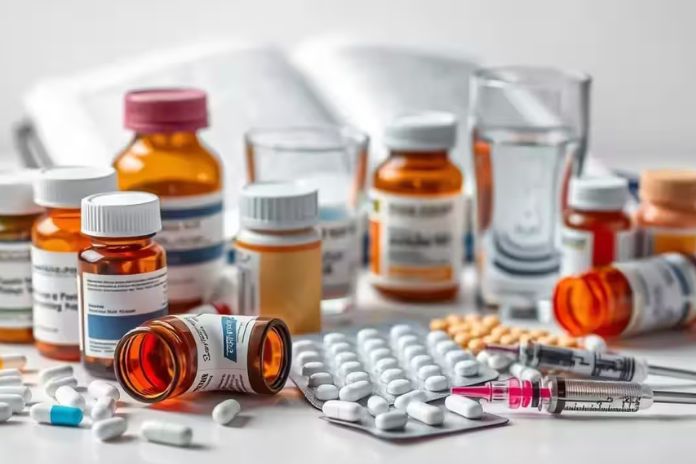
The United States has given India and 19 other nations a zero per cent tariff on certain speciality drugs and their active ingredients, even as a 100% duty on specified patented pharmaceuticals takes effect from September 29, 2026.
The move, issued under Section 232 of the Trade Expansion Act, is aimed at protecting US public health while pushing drugmakers to cut prices or manufacture more in the US. For India, the exemption offers relief for high-value, low-volume therapies used in rare and complex conditions, while the bulk of its generic drug exports remain outside the 100% tariff net.
What drugs get 0% tariff
The waiver is narrow and product-specific. It covers speciality pharmaceuticals that treat serious or rare conditions and advanced therapies, including:
- Orphan (rare-disease) drugs for all approved indications
- Nuclear medicines based on radioactive substances
- Plasma-derived therapies
- Fertility and infertility treatments
- Cell and gene therapies
- Antibody–drug conjugates (ADCs)
- Medical countermeasures for chemical, biological, radiological and nuclear (CBRN) threats
- Animal pharmaceuticals
- Associated active ingredients used in these products
Patented medicines outside these categories can still face the full 100% ad valorem tariff unless they qualify for another exemption.
Who else benefits
Alongside India, the list of eligible jurisdictions includes Argentina, Bangladesh, Cambodia, Ecuador, El Salvador, the European Union, Guatemala, Indonesia, Japan, Jordan, Malaysia, North Macedonia, South Korea, Switzerland and Liechtenstein, Taiwan, Thailand, the UK, and Vietnam.
How companies can claim relief
The US Commerce Department has clarified that firms must apply product-by-product for the speciality-drug exemption. Each request must carry details such as the product’s tariff code, brand and active ingredients, specialty category, country of origin, importer of record, manufacturer, and a justification of urgent US health need (disease treated, patient numbers, lack of alternatives, etc.).
Applications are reviewed case-by-case with the US Trade Representative and the Department of Health and Human Services. The notice also allows zero tariffs on certain items imported only for clinical trials, research, development or other non-commercial uses, and clarifies the definition of generic drugs, which are not subject to the 100% duty.
Why it matters for India
India is a major global supplier of generic medicines and active pharmaceutical ingredients. Industry analysts say the 100% tariff on patented drugs is unlikely to hit Indian exporters hard because most shipments to the US are generics and APIs, not the targeted branded products.
However, Indian firms making or planning to export advanced speciality therapies can now seek relief under the 0% route, provided they meet the eligibility and documentation requirements. For patients in the US, the exemption helps keep critical rare-disease and advanced treatments accessible despite the broader tariff push.