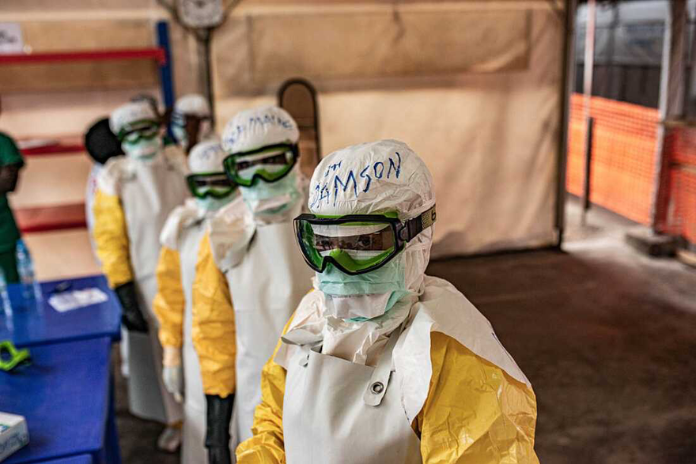
A deadly Ebola outbreak raging in Central Africa has now confirmed nearly 500 cases, according to the World Health Organization (WHO). The rapidly spreading epidemic has raised mounting concerns among health officials across the region.
In its latest daily update, the WHO tallied 452 confirmed cases including 82 deaths in the Democratic Republic of Congo (DRC), where the outbreak was declared three weeks ago. In neighboring Uganda, the organization counted 19 confirmed cases and 2 additional deaths. This brings the total to 471 confirmed cases and 84 deaths across both countries.
Epidemic Accelerating Rapidly
The WHO reported a sharp rise in infections and deaths within just 24 hours, with 100 new cases and 20 additional deaths recorded. Health officials warn the outbreak could become one of the largest on record without swift intervention.
Congo has warned of rapid community spread of the virus. The daily total of 71 new cases marked one of the biggest spikes during the outbreak, which represents the 17th Ebola outbreak in Congo’s history.
Rare Strain Without Vaccine
This outbreak involves the rare Bundibugyo strain of Ebola virus, for which there is currently no vaccine or specific treatment. This makes containment efforts particularly challenging compared to previous outbreaks involving the more common Zaire strain.
The speed and scale of infections are increasing rapidly, according to the head of the World Health Organization, who expressed serious concern over the accelerating spread in Central Africa.
International Response Launched
In response to the escalating crisis, the WHO and the African Centers for Disease Disease Control and Prevention launched a joint $518 million plan on Friday to combat Ebola over the next six months. The funding aims to support containment efforts, medical supplies, and community education across affected regions.
Health officials emphasize that swift action is critical to prevent the outbreak from expanding further across Central Africa. The international community is working to provide resources and support to affected healthcare systems.
What You Need to Know
The Ebola outbreak in Central Africa represents a significant public health emergency. Key facts include:
- Total cases: 471 confirmed across DRC and Uganda
- Total deaths: 84 confirmed
- DRC cases: 452 with 82 deaths
- Uganda cases: 19 with 2 deaths
- Strain type: Bundibugyo (no available vaccine)
- Outbreak declaration: May 15, 2026 in DRC
- Funding: $518 million joint response plan
Why This Matters
Ebola is a severe, often fatal illness that spreads through contact with infected individuals or contaminated materials. The virus causes fever, bleeding, and organ failure. Without proper containment, outbreaks can spread rapidly through communities.
The lack of a vaccine for the Bundibugyo strain makes this outbreak particularly dangerous. Prevention relies entirely on identifying cases quickly, isolating patients, and implementing strict hygiene protocols.
Moving Forward
Health authorities continue monitoring the situation closely. The joint international response aims to slow the epidemic’s spread while protecting healthcare workers and communities. Success depends on rapid case detection, effective isolation measures, and community cooperation.
The world is watching as health officials work to prevent this from becoming one of the worst Ebola outbreaks in history. Your understanding and awareness of this crisis helps support global health security efforts.