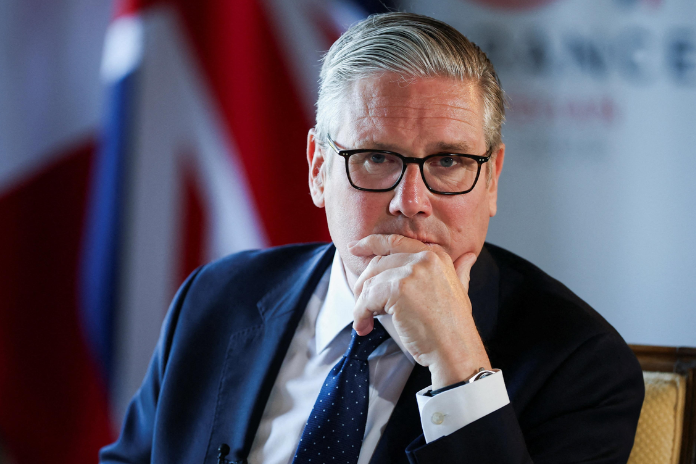
British Prime Minister Keir Starmer officially announced his resignation today, becoming the sixth UK prime minister to leave office in just ten years. The decision comes after growing pressure from within his own Labour Party to hand over leadership to someone who can restore the government’s struggling fortunes.
Starmer will remain in post as caretaker prime minister until a new Labour Party leader is selected. He stated that “a new leader will be in place before Parliament returns in September,” marking the end of an era that began with his party’s historic 2024 election victory.
What Triggered the Resignation?
Several factors converged to push Starmer toward stepping down:
- Policy U-turns on major government initiatives damaged credibility
- Labour’s poor performance in May’s local elections, with significant losses
- The Makerfield by-election result, where Andy Burnham defeated Reform UK, shifting internal party dynamics
- Controversial appointments, including Lord Peter Mandelson as UK ambassador to the United States
While Starmer had previously vowed to resist any leadership challenge, the mood shifted dramatically after Burnham’s by-election victory last week. The result demonstrated that a new face could potentially reconnect with voters.
Timeline for Leadership Contest
The Labour Party has established a clear timetable for selecting Starmer’s successor:
- Nominations open: July 9, 2026
- Caretaker period: Starmer remains PM until contest completes
- New leader expected: Before Parliament returns in September 2026
Starmer informed King Charles III of his decision and pledged to ensure an “orderly handover of power” to his successor.
Who Will Replace Starmer?
Andy Burnham has emerged as the front-runner to become Britain’s seventh prime minister in over a decade. The outgoing Manchester Mayor won the crucial Makerfield parliamentary by-election last week, beating Reform UK and demonstrating electoral viability.
Burnham’s victory in Makerfield is seen as a turning point that convinced Labour insiders a new leader could revitalize the party’s fortunes. His background as Manchester’s mayor and his recent electoral success position him as a compelling candidate for the leadership.
Historical Context
Starmer’s resignation marks another chapter in Britain’s unprecedented political turbulence. The United Kingdom has now seen six prime ministerial resignations in just ten years, reflecting the intense pressures of modern British politics.
From 2016 to 2026, Britain has had multiple leaders navigate challenges including Brexit, economic instability, and shifting voter preferences. Starmer’s departure continues this pattern of rapid leadership turnover.
Starmer’s Legacy
Despite his brief tenure, Starmer achieved several notable accomplishments:
- Led Labour to a overwhelming victory in the 2024 general election
- Ended years of Conservative governance
- Attempted to stabilize Britain’s post-Brexit economic position
- Positioned the UK on the global stage during turbulent international times
However, mounting electoral pressures and internal party dissent ultimately overshadowed these achievements.
What Happens Next?
The Labour Party will now begin its leadership selection process. Members will vote among nominated candidates, with the winner expected to become both Labour Party leader and prime minister.
As caretaker, Starmer will maintain day-to-day government operations but will not announce major policy changes. The focus remains on ensuring stability during the transition period.
British voters and political observers alike will be watching closely as the Labour Party determines its next direction. The outcome could reshape Britain’s political landscape for years to come.
Impact on UK Politics
Starmer’s resignation sends shockwaves through British politics. The Labour Party must now rebound from recent electoral setbacks and present a refreshed vision to the public. Success depends on selecting a leader who can reconnect with voters and restore confidence in government.
For the United Kingdom, this transition comes at a critical time. Economic challenges, international relations, and domestic policy priorities all require stable leadership. The coming months will determine whether Labour can regroup or face further difficulties.