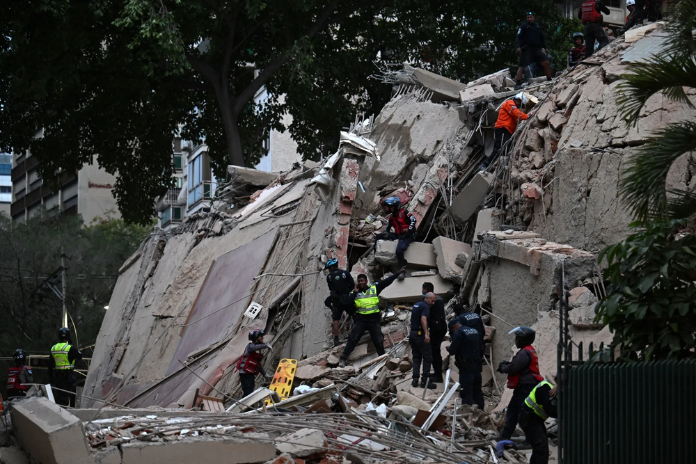
On the evening of June 24, 2026, Venezuela was hit by two powerful earthquakes within seconds of each other, leaving large parts of the capital, Caracas, and nearby coastal states shaken, damaged and reeling. The first tremor registered at roughly magnitude 7.2 and was quickly followed—about 30–40 seconds later—by a stronger event near magnitude 7.5. The back-to-back shocks, known as a doublet, caused collapses, widespread power outages and scenes of panic across densely populated areas.
Residents described frantic moments as buildings swayed and alarms blared. Many people fled into the streets and parks, carrying children and pets, fearful of aftershocks. Videos and eyewitness accounts from the capital show damaged façades, falling debris and groups of neighbours helping each other as emergency services mobilised. Authorities reported multiple fatalities and hundreds injured, and officials warned that those numbers could rise as rescue teams reached harder-hit locations.
The strongest shaking was concentrated along Venezuela’s northern coast, near towns such as Yumare and San Felipe, but the tremors were felt across a broad area including Caracas, where older and poorly maintained structures sustained significant damage. Power and communications outages complicated rescue efforts and increased concern for those trapped in collapsed buildings. Transport hubs and some public services were temporarily suspended as officials assessed safety and damage.
Emergency responders and volunteers mounted search-and-rescue operations in collapsed buildings and damaged neighbourhoods. Local officials declared emergency measures to speed up relief and coordinate resources, while international agencies monitored the situation and prepared to assist if requested. In the immediate aftermath, a tsunami advisory was released for parts of the Caribbean coast but was later lifted for most areas after authorities completed assessments; however, officials urged coastal communities to remain vigilant for any local sea disturbances.
Experts warn that aftershocks of varying magnitudes are likely in the coming days and weeks, posing additional risks to damaged structures and to people returning too soon to unsafe buildings. Seismologists noted that back-to-back large quakes can complicate damage patterns—structures already weakened by the first tremor may be at greater risk when struck again seconds later—so systematic inspections of critical infrastructure, hospitals and schools are a priority.
Humanitarian concerns are immediate: injured people need medical care, many residents face temporary displacement, and damaged water and power systems hamper basic services. Local shelters were set up to accommodate those who cannot safely remain at home, and authorities called for calm and orderly cooperation with rescue teams. Community groups and neighbours have been central to relief efforts, helping with first aid, removing rubble and identifying missing persons.