The United States is bolstering its military footprint in the Middle East as tensions with Iran intensify. Recent moves involve deploying thousands of ground troops to the Gulf region, hinting at a possible pivot from airstrikes to boots-on-the-ground actions. This comes weeks into an air campaign targeting Iranian assets.
Airborne Division Leads Rapid Response
A key element is the 82nd Airborne Division, an elite US Army unit known for swift deployments. Around 2,000 soldiers from its Immediate Response Force brigade have received orders to head to the Middle East. These paratroopers specialize in quick insertions via parachute or air assault, ideal for seizing key sites like Iran’s Kharg Island oil facilities or securing the Strait of Hormuz shipping lane.
The Pentagon confirmed elements of this storied division—based at Fort Liberty, North Carolina—are mobilizing. Their arrival enhances US options for high-mobility ground maneuvers, joining existing paratrooper contingents already in theater.
Marines Reinforce Naval Power
Complementing the airborne push, the US is sending about 2,500 more Marines to the Persian Gulf. These include troops from the 11th Marine Expeditionary Unit, embarked on amphibious ships such as the USS Boxer. This unit brings versatile capabilities: infantry, armor, aviation, and logistics for expeditionary warfare.
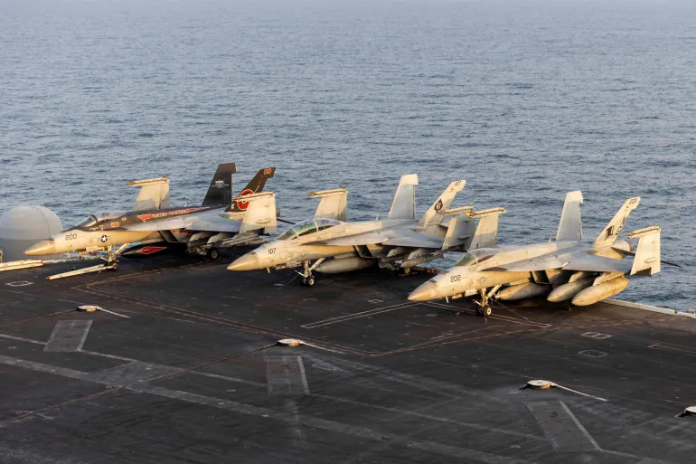
These Marines add to roughly 5,000 already deployed, forming a potent force alongside naval strike groups like the USS Abraham Lincoln in the Arabian Sea. Together, they operate over 120 aircraft, Patriot missile defenses, and THAAD systems to counter Iranian threats.
Broader Military Buildup
This ground surge supports Operation Epic Fury, a US-led air offensive now in its fourth week. Strikes have hit over 9,000 Iranian targets, from missile sites to command centers. President Trump recently paused some operations until April 6, citing diplomatic overtures that Iran has rejected.
Reports suggest planners are eyeing up to 10,000 additional troops, including infantry and armored units. Warships and fighter jets continue patrols near Iran, tracking its defenses on strategic islands. The shift underscores concerns over Iran’s nuclear program, missile stockpiles, and disruptions to global oil flows.
Strategic Implications
The deployments signal preparation for complex scenarios beyond air power. Ground forces could secure vital chokepoints, neutralize coastal threats, or support allies like Israel amid regional clashes. Analysts note this buildup—tracked since January—marks the largest US Middle East reinforcement in years.
While Trump has hinted at de-escalation talks, the troop movements project resolve. Iran has responded by fortifying key assets, raising stakes in the Gulf. As of late March 2026, the situation remains fluid, with negotiations hanging in the balance.