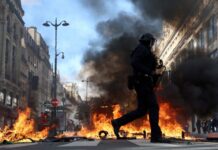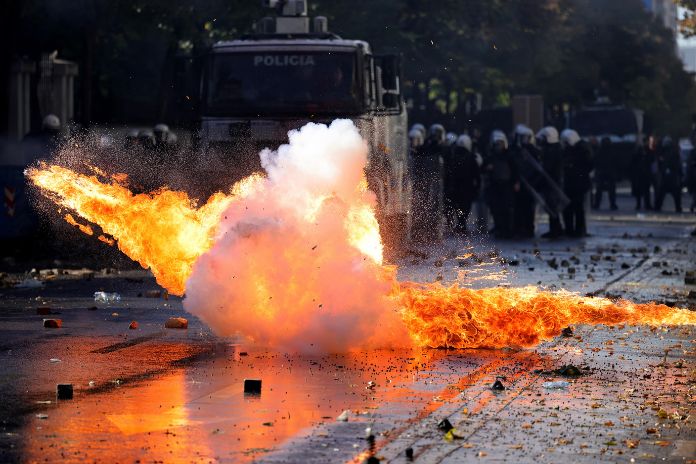
Europe social unrest has intensified in recent weeks as demonstrations over the rising cost of living, housing shortages, weak public services and dissatisfaction with governments spread across several countries. What began as largely peaceful protests in cities such as Paris, Milan and Tirana has, in some places, descended into riots, looting, arson and clashes with police.
Why Europeans Are Angry
The immediate triggers vary from country to country, but the underlying concerns are similar. Protesters are angry about expensive food and fuel, low wages, unaffordable housing, overcrowded schools and declining public services. Many young people feel that hard work is no longer enough to secure a stable home or a decent standard of living.
In France, Italy and Albania, the protests have been especially intense. In Spain and Portugal, demonstrations have focused more on housing costs, with tent camps appearing in some cities as people demand stronger action on rents.
France: The Epicentre of the Unrest
France has seen the largest and most violent wave of demonstrations. Hundreds of thousands of people joined protests across the country, but groups of masked rioters attacked shops, vehicles and public buildings in several major cities.
French authorities reported around 2,400 arrests. Fires damaged public buildings and schools, while clashes between protesters and police left hundreds injured, including security personnel. In response, officials imposed partial curfews in parts of Paris and Nice to prevent further violence.
The unrest has exposed deep frustration with the government and with living costs, particularly among young people and working-class communities.
Italy: Riots in Major Cities
In Italy, protests in Milan, Turin and Bologna turned violent as demonstrators demanded action on inflation, housing and the wider cost-of-living crisis. In Milan, rioters clashed with police, damaged shops and set fires during the demonstrations.
Police said more than 270 people were arrested over two days of unrest, with many of those detained reported to be young people. The Italian government has warned that it may introduce tougher security measures if the violence continues.
Albania: Students Lead the Protests
Albania’s protests are more political than those in France and Italy. For more than a week, students and other demonstrators have gathered in the capital, Tirana, demanding the resignation of Prime Minister Edi Rama and his Socialist government.
The movement, known as “Flamingo,” has drawn support from high-school and university students. Some protests have turned violent, with demonstrators throwing stones and fireworks at police, while officers have used tear gas, water cannons and rubber bullets.
A Warning for European Governments
The wave of Europe social unrest is a warning for governments across the continent. Economic pressure, expensive housing and frustration with public services are no longer isolated complaints; they are becoming political flashpoints.
Unless governments offer credible solutions on wages, housing, education and public services, experts warn that protests could continue—and become harder to control.