India’s Ministry of Labour and Employment has notified the National Social Security Board for Unorganised Workers and Gig & Platform Workers under the Code on Social Security, 2020. The move creates a formal national body to improve social protection for millions of workers in informal and app-based jobs.
What the Boards Will Do
The Boards will design, monitor, and recommend targeted welfare schemes for three major worker groups: traditional unorganised workers, gig workers, and platform workers. Their role is to help close long-standing gaps in access to social security.
The Boards will:
- Recommend suitable welfare schemes to the Central Government.
- Advise the government on issues related to implementing the Code on Social Security.
- Monitor welfare schemes run by the Central Government.
- Review how states maintain worker records.
- Examine spending from the relevant social-security fund.
- Perform other duties assigned by the Central Government.
The Board is expected to meet at least three times a year.
Who Will Be Represented?
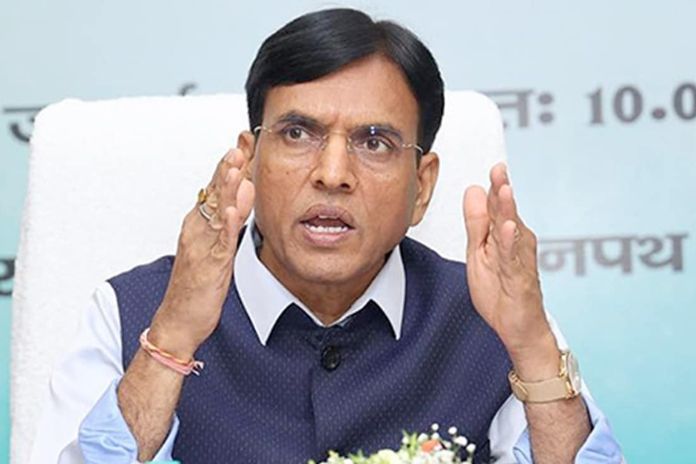
The Board will be chaired by the Union Minister for Labour and Employment. It will include representatives from the central and state governments, employers, aggregator companies, civil-society organisations, trade unions, and gig and platform worker associations.
This gives gig and platform workers a formal place in national policy discussions. For workers in delivery, ride-hailing, freelance, and other app-based jobs, the Board could become an important channel for raising concerns and shaping future welfare measures.
Why This Matters
Gig and platform workers often do not receive the same benefits as regular employees, such as health insurance, maternity support, accident protection, or retirement savings. Many unorganised workers also face similar gaps.
The Code on Social Security, 2020 recognises gig and platform workers and provides for benefits such as life and disability cover, accident insurance, health and maternity benefits, and old-age protection. The newly notified Boards will now help decide how such schemes can be designed and improved.
What Workers Can Expect
The notification itself does not announce new cash benefits or fixed eligibility rules. Instead, it sets up the institutional framework needed to develop and monitor welfare programmes.
In practical terms, workers may see better-designed schemes, improved registration and record systems, and stronger oversight of social-security spending. However, the actual benefits will depend on the schemes recommended by the Board and approved by the government.
A Step Toward Inclusive Social Security
The creation of the National Social Security Boards is a significant step toward extending social protection beyond traditional employment. By including gig, platform, and unorganised workers in a statutory national body, India is moving toward a more inclusive social-security system.
For workers and worker organisations, the next important step will be to track the Board’s recommendations, scheme proposals, and implementation progress.