

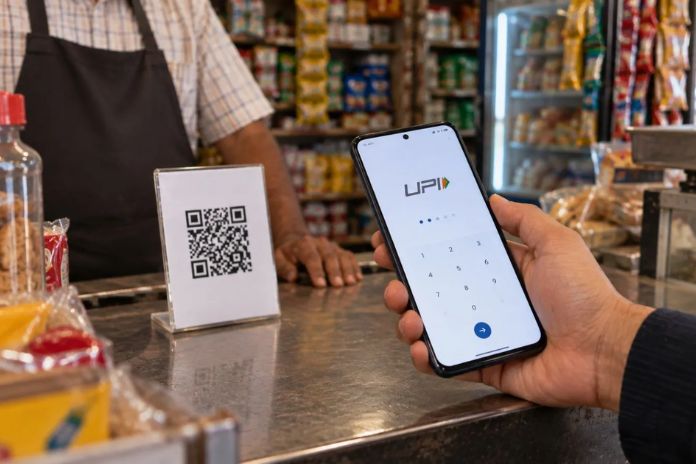
NPCI has decided to postpone the implementation of Merchant Discount Rate (MDR) charges on select person-to-merchant (P2M) UPI transactions until after Diwali. The decision was taken keeping the festive shopping season in mind, and the exact date will be announced separately.
The move means UPI users and merchants will not see the proposed fee during the Diwali period. Earlier, the rollout was expected to begin on October 15.
What Is UPI MDR?
Merchant Discount Rate, or MDR, is a small fee charged on digital payments accepted by merchants. It is generally paid by the merchant, not the customer.
In the case of UPI, the proposed MDR will apply only to selected P2M transactions. This means payments made by individuals to businesses, shops, service providers, or other merchants may attract the charge, depending on the final rules notified by NPCI.
Which Transactions May Be Affected?
According to reports, the proposed MDR is expected to apply to eligible UPI merchant transactions above Rs 2,000. The rate may be 0.4 per cent, while transactions of Rs 75,000 or more could have a cap of Rs 300.
However, NPCI has not yet released the complete list of merchants or transaction categories that will be covered. Customers should wait for the official notification before assuming that every high-value UPI payment will attract a fee.
What It Means For Customers
For most everyday UPI users, there is no immediate change. Payments for groceries, cab rides, small shops, utility bills, and regular peer-to-peer transfers are not expected to be affected under the proposed framework.
Even where MDR applies, the charge is intended to be borne by the merchant. Whether merchants pass it on to customers through higher prices will depend on individual business decisions.
Why NPCI Deferred The Rollout
Diwali is one of the busiest periods for digital payments in India. Deferring the rollout avoids confusion for shoppers, small businesses, and payment service providers during peak festive sales.
NPCI has said the MDR will be implemented immediately after Diwali, but the specific date will be notified separately. Until then, the current UPI payment process remains unchanged for users.
What Merchants Should Do
Merchants, especially small businesses, should monitor official updates from NPCI, their banks, and payment aggregators. They should also check whether their business falls under the selected P2M category once the final notification is issued.
Businesses using UPI QR codes should keep records of high-value transactions and review their pricing or payment policies if MDR becomes applicable.
Key Takeaway
UPI MDR charges on select merchant payments have been deferred until after Diwali. The exact date is yet to be announced, and the charge is expected to apply only to specific P2M UPI transactions, likely above Rs 2,000. Regular UPI users do not need to change how they pay for now.







 charges on select UPI merchant payments until after Diwali. Know who will pay, which transactions are covered, and what changes for users.)