External Affairs Minister S. Jaishankar said on Friday that India remains in continuous touch with both Ukraine and Russia, working to develop ideas that could help de‑escalate and eventually end the war now in its fifth year.
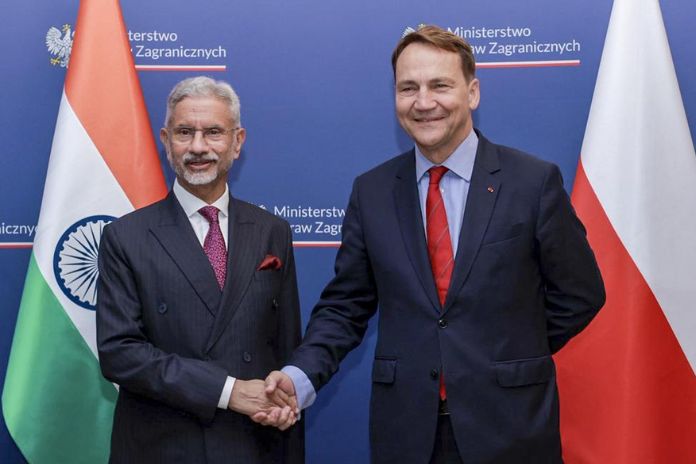
Speaking in Warsaw after meeting Poland’s Deputy Prime Minister and Foreign Minister Radosław Sikorski, Jaishankar underlined New Delhi’s facilitative approach. He said India is not pushing a fixed formula but is trying to see whether suggestions from both sides can be shaped into practical steps that reduce fighting and move towards a ceasefire.
What Jaishankar said in Warsaw
Jaishankar told reporters that India has been in “continuous touch” with the Ukrainian and Russian sides and is exploring proposals that could help mitigate the conflict.
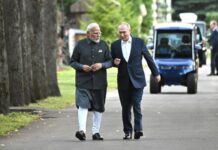
“You will appreciate that beyond a point, I can’t go into specifics,” he said, adding that detailed discussions have taken place with Moscow and Kyiv in recent days, including his own visit to Moscow and Prime Minister Narendra Modi’s meeting with President Vladimir Putin in Bishkek.
On the question of India’s purchases of Russian oil, Jaishankar rejected the argument that changing trade flows alone would end the war. He stressed that a lasting solution must come through dialogue, diplomacy and negotiations, not pressure over who buys Russian energy, minerals or fertilisers.
Kyiv talks: peace, Black Sea and food security
The Warsaw remarks capped a three‑day diplomatic tour (September 3–5) that began in Kyiv, where Jaishankar held wide‑ranging talks with Ukrainian Foreign Minister Andrii Sybiha and President Volodymyr Zelenskyy.
In Kyiv, Jaishankar reiterated India’s readiness to extend “any help in any manner” if both parties seek support, including possible mediation. He conveyed Prime Minister Modi’s message that “this is not an era of war” and that disputes must be resolved at the negotiating table.
The two sides also focused on Black Sea security, freedom of navigation and global food security. Zelenskyy said they discussed threats to civilian shipping and called it unacceptable to block food supplies to regions that depend on these maritime routes. Sybiha thanked India for its attention and joint efforts to address these challenges, describing Jaishankar’s visit as historic.
Why Poland matters
Poland has been a key supporter of Ukraine and a major host for refugees, making Sikorski an important interlocator on European security and humanitarian issues. Jaishankar’s stop in Warsaw signals India’s effort to keep channels open with Eastern European partners and the wider NATO–EU ecosystem while maintaining its engagement with Russia.
During the meeting, the two ministers also reviewed progress under the 2024–28 Joint Action Plan, covering trade, defence, technology and people‑to‑people ties, as part of India’s broader push to deepen strategic cooperation with Central and Eastern Europe.
India’s balancing act
India’s stance combines three elements:
- Dialogue over pressure: New Delhi argues that the war will end through negotiations, not by targeting countries’ energy or commodity purchases.
- Openness to help: India has offered to assist “in any manner” if invited by both sides, without imposing conditions.
- Continued engagement: Jaishankar’s back‑to‑back visits to Moscow, Kyiv and Warsaw highlight India’s attempt to stay in touch with all major stakeholders.
Ukraine has welcomed India’s position. Zelenskyy thanked New Delhi for its “clear position” that the war must end and peace must prevail, calling India’s desire to help end what he termed an “unjust war” welcome.
As the conflict drags on, India’s messaging suggests it sees itself as a potential bridge: maintaining strategic autonomy, protecting its own economic interests, and keeping diplomatic options open for any future peace initiative that both Kyiv and Moscow might find acceptable.