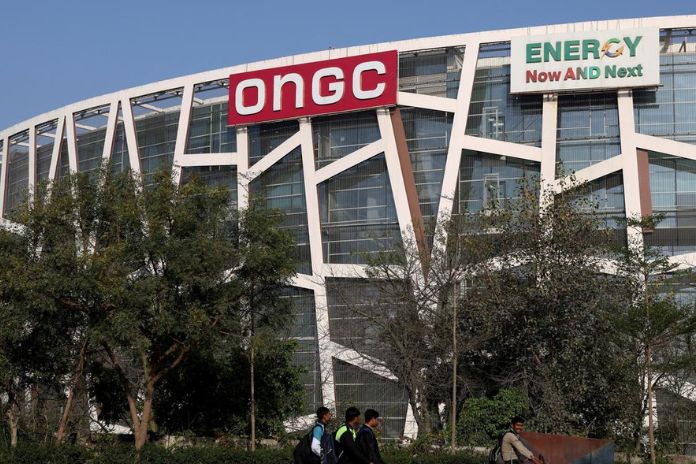
State-run Oil and Natural Gas Corporation (ONGC) has received approval from the United States to resume full operations in Venezuela. The licence issued by the U.S. Treasury’s Office of Foreign Assets Control (OFAC) removes a major obstacle that had limited the company’s activities in the South American country.
The approval is expected to help ONGC restart wider work at its Venezuelan oil projects, manage project finances and explore opportunities to increase crude production. It could also allow the company to recover more than $500 million in pending dividends from its investments.
ONGC’s overseas investment arm, ONGC Videsh Ltd. (OVL), has stakes in two Venezuelan projects. It owns a 40% interest in the San Cristobal project and an 11% stake in the Carabobo-1 block. Both projects are operated in partnership with Venezuela’s state-owned oil company, Petróleos de Venezuela, commonly known as PDVSA.
ONGC seeks operatorship
Following the U.S. approval, OVL is looking to take a more active role in managing its Venezuelan assets. The company is reportedly seeking operatorship of the San Cristobal and Carabobo projects.
At present, PDVSA plays the leading operational role. If OVL secures operatorship, it could gain greater control over production planning, investment decisions, technical operations and project finances.
However, the OFAC licence does not automatically give ONGC operational control. Any transfer of operatorship would require separate agreements with the Venezuelan government, PDVSA and other project partners.
Production may increase
The licence could pave the way for higher output from ONGC’s Venezuelan investments. Reports suggest that production may rise from the current level of about 12,000–15,000 barrels per day to nearly 30,000 barrels per day during the first year.
The actual increase will depend on several factors, including the condition of the oil fields, availability of investment, equipment supplies, payment arrangements and the final operating structure.
Restarting full operations may also help ONGC address the financial challenges created by years of sanctions-related restrictions. The company had faced difficulties in receiving dividends and managing its investments because of restrictions on transactions involving Venezuela’s oil industry.
Boost for India’s energy strategy
The development is significant for India because Venezuela has some of the world’s largest oil reserves. Greater access to Venezuelan production could support India’s strategy of diversifying crude-oil supplies and reducing dependence on a limited number of exporters.
For ONGC, a larger role in Venezuela could strengthen its international upstream portfolio. It may also provide the company with an opportunity to increase production from existing assets instead of relying only on new discoveries.
At the same time, Venezuela remains a politically and economically challenging market. U.S. sanctions, changing regulations, payment risks and PDVSA’s dominant position could continue to affect ONGC’s plans.
The OFAC approval is therefore an important first step, but it does not guarantee an immediate rise in production or the quick recovery of pending dividends. The next major developments will be agreements on operatorship, investment plans and the settlement of ONGC’s financial claims.