A sharp diplomatic row has erupted between Iran and Qatar after Tehran alleged that three of its military pilots have been held in Doha for about six months, while Qatar “categorically denies” detaining any surviving Iranian aircrew.
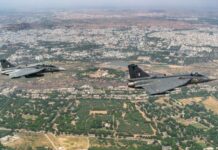
The dispute centres on an aerial incident in March, when Iranian Sukhoi Su‑24 bombers were shot down after what Qatar describes as an unauthorised entry into its airspace. Iran now claims three crew members survived, were captured, and have been kept without contact with families or Iranian officials.
What Iran is alleging
Brigadier General Mohammad Bagherzadeh, who heads the Iranian Armed Forces’ committee on missing persons, wrote to the International Committee of the Red Cross (ICRC) expressing “serious concern” over the fate of the three pilots. In the letter, he named them as Javad Salehi, Abdolmajid Dashtian and Omran Behraveshian and said they were taken after their aircraft crashed during a combat flight in March.
Bagherzadeh told the ICRC that, despite diplomatic steps, Iran has not been allowed to meet or speak with the men, and has sought the organisation’s help to secure their release and verify their condition. He also cited provisions of the Geneva Conventions on prisoners of war, including rights to notify families and to communicate with the ICRC.
Iranian state media and allied outlets have reported that the three were captured alive by Qatari forces, contrasting their fate with that of another pilot, Majid Kazemi, whom Iran says was killed in the same episode and whose body was later returned.
Qatar’s denial and version of events
Qatar’s Foreign Ministry spokesman, Majed Al Ansari, rejected the allegations in a statement, calling them “misleading” and saying they came at a sensitive time amid regional de‑escalation efforts.
According to Doha, its air defences engaged the Iranian aircraft after they violated Qatari airspace and failed to respond to communications. Qatari search and rescue teams, it says, later recovered only the remains of one pilot, and Qatar coordinated with Iran to hand over the body. The ministry added that it had invited Tehran to review the search operations, but has not acknowledged holding any living captives.
Why this matters in the West Asia war
If Iran’s claim is accurate, it would mark one of the first public cases in the current West Asia war where a regional state is accused of holding Iranian fighters as prisoners of war, raising potential Geneva Convention obligations on treatment, notification and ICRC access. The episode also complicates Qatar’s role as a frequent mediator in regional crises, as Doha seeks to balance its security posture with diplomatic outreach.
For now, the situation hinges on verification. An ICRC visit to any detention site, or an independent mechanism to review the March incident, could clarify whether the three men are alive and in Qatari custody—or whether their fate remains tied to the single set of remains Qatar says it recovered. Until then, the Iran–Qatar pilots dispute is likely to remain a volatile humanitarian and propaganda flashpoint in the wider conflict.