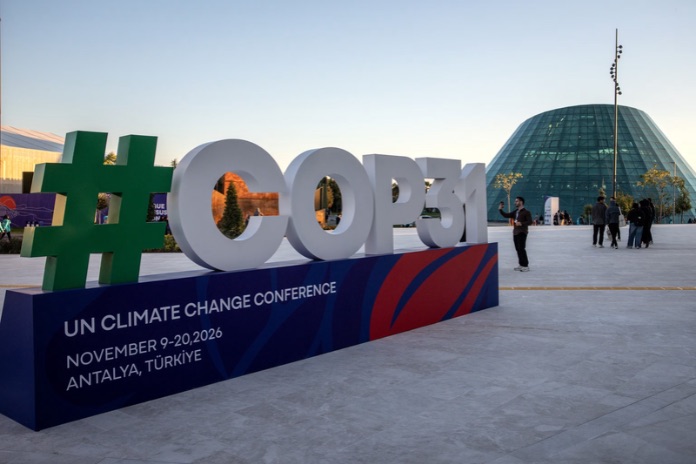
COP31 climate deal collapse has left global climate diplomacy facing one of its biggest setbacks in years. The United Nations climate summit in Antalya, Türkiye, ended without an agreement after countries failed to unite on a final political declaration, known as the “Antalya Pact.”
The talks, which involved negotiators from nearly 200 countries, ran into overtime after deep disagreements over fossil fuels and climate finance. The summit presidency ultimately confirmed that there was no consensus, meaning the proposed deal was not adopted.
Why the deal failed
The main sticking point was fossil fuels. The draft agreement did not clearly mention the need to move away from coal, oil, and gas—the leading sources of greenhouse-gas emissions. The European Union, the United Kingdom, and several climate-vulnerable countries rejected the text, arguing that it weakened global climate action.
Some oil-producing countries opposed stronger language on reducing fossil-fuel dependence, while other nations insisted that any credible climate agreement must address the issue directly. This deadlock prevented consensus in the final session.
Climate finance was another major obstacle. Developing countries said the proposed support for adapting to extreme heat, floods, droughts, and other climate impacts was insufficient. The draft had referred to tripling adaptation finance, but it did not clearly define the baseline or provide enough certainty for vulnerable nations.
What the draft missed
The proposed Antalya Pact also failed to satisfy countries concerned about global warming. It acknowledged that temperatures are likely to exceed the 1.5°C limit, but critics said it did not offer a strong enough plan to respond to that reality.
Negotiators were also divided over carbon removal and capture technologies. Some countries viewed these as important tools for cutting emissions, while others worried that relying on them could delay the urgent transition away from fossil fuels.
What was agreed
Although the main political declaration collapsed, COP31 did produce some limited outcomes. Delegates advanced measures on a just transition, which aims to protect workers and communities as economies shift toward cleaner energy. Talks also made progress on electrification and reaffirmed earlier commitments to reduce fossil-fuel use.
Importantly, the failure to adopt a new COP31 declaration does not erase existing climate commitments made at previous UN climate summits. Those obligations remain in place.
What happens next
The COP31 climate deal collapse raises serious questions about the future of international climate cooperation. Countries will need to rebuild trust and find common ground on fossil fuels, finance, and support for vulnerable communities before the next round of negotiations.
For now, the message from Antalya is clear: without agreement on cutting fossil-fuel emissions and funding climate adaptation, global efforts to limit dangerous warming face growing political and practical risks.