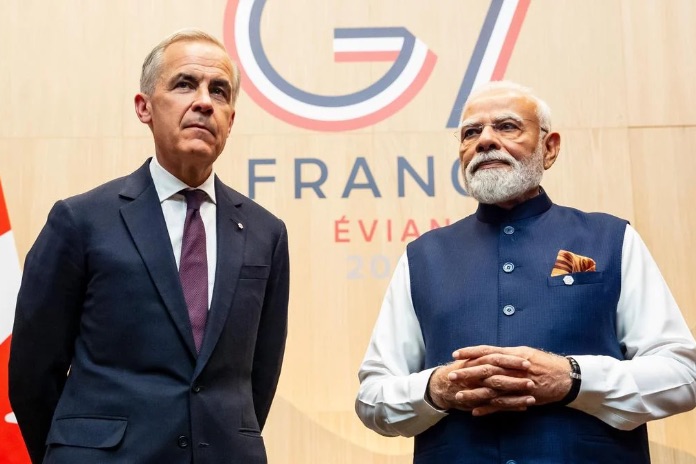
India and Canada are close to completing negotiations for a proposed Comprehensive Economic Partnership Agreement, or CEPA. Officials from both countries are holding daily discussions to resolve the remaining issues, with the goal of concluding the India Canada trade pact negotiations by the end of 2026.
The latest round of talks took place in New Delhi from November 11 to 20, 2026. It was the sixth round of negotiations and covered several important areas, including trade in goods and services, rules of origin, trade remedies, intellectual property, and investment promotion.
What is CEPA?
CEPA is a trade agreement designed to strengthen economic ties between India and Canada. It aims to improve market access for businesses, encourage investment, and create new opportunities in trade and services.
The agreement is also expected to help both countries diversify their supply chains. This could make trade between India and Canada more resilient and reduce dependence on a limited number of markets.
Progress in the latest round
India’s Ministry of Commerce and Industry said the sixth round made constructive and substantive progress. Negotiators discussed key chapters of the proposed agreement and worked towards a balanced and mutually beneficial outcome.
Although no final agreement has been announced yet, officials say the two sides are “very close” to completing the negotiations. Daily discussions are continuing even though no new formal round has been scheduled.
Why the deal matters
A completed India-Canada CEPA could benefit exporters, service providers, investors, and businesses in both countries. It may reduce trade barriers, make cross-border business easier, and support stronger economic cooperation.
For India, the agreement could open more opportunities in the Canadian market. For Canada, it could provide better access to one of the world’s fastest-growing major economies. The pact could also encourage companies in areas such as technology, manufacturing, services, and clean energy to invest across both markets.
What happens next
Completing negotiations is an important step, but it is not the same as signing or implementing the agreement. Once the text is finalised, both governments will need to complete legal reviews and follow their own approval processes before the pact can take effect.
Still, the recent progress suggests that India and Canada are moving closer to a major trade agreement. If the talks conclude by the end of 2026, it would mark a significant milestone in bilateral economic relations and could reshape trade and investment flows between the two countries.