On the eve of Teachers’ Day 2026, Prime Minister Narendra Modi called on India’s educators to take a lead role in addressing two growing challenges among young people: excessive screen time and drug addiction.
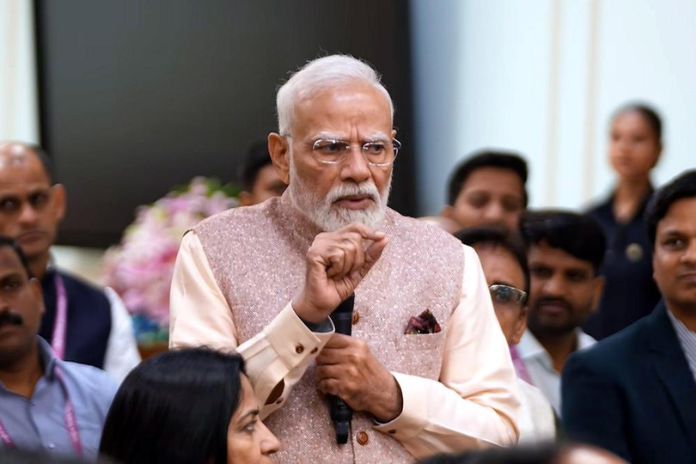
Speaking during an interaction with winners of the National Teachers’ Awards 2026 at his residence in New Delhi on September 5, Modi said teachers must go “beyond textbooks” and engage with the real-life issues affecting children.
Meeting with award-winning teachers
This year, 82 teachers and educators from across India have been selected for the National Teachers’ Awards from three departments:
- 48 school teachers from the Department of School Education and Literacy
- 21 faculty members from higher educational institutions and polytechnics
- 13 skill trainers from the Ministry of Skill Development and Entrepreneurship
President Droupadi Murmu is scheduled to confer the awards at a ceremony in New Delhi on Teachers’ Day.
Before the formal event, Modi met many of the awardees and discussed classroom realities, innovative teaching, and the wider social responsibilities of teachers.
“Step beyond books”: Tackling screen time
A major focus of the Prime Minister’s message was the rising addiction to screens, especially mobile phones and video games, among school-going children.
Modi described screen time as having become a kind of habitual dependency that affects studies, sleep, and physical health. He urged teachers to:
- Talk to students about how many hours they spend on phones and devices
- Discuss with parents whether children use phones late at night
- Encourage alternatives such as sports, outdoor games, and creative hobbies
He suggested that when children develop strong interests in physical activities and creative pursuits, they naturally spend less time glued to screens.
The Prime Minister also asked teachers to guide parents in setting healthy limits on device use and to promote a culture where playing on the field is valued more than playing on a phone.
Alert against drug addiction
Alongside screen time, Modi highlighted the menace of drug abuse among youth. He asked teachers to stay alert to behavioural changes that may indicate substance use and to act early.
Key suggestions to educators included:
- Raise awareness in classrooms about the dangers of drugs
- Identify students showing signs of addiction and connect them with support systems
- Use their influence to promote a drug-free school environment
This message aligns with his recent Mann Ki Baat episode, where he launched a stronger push for a “drug-free India” and called on youth, artists, and content creators to join the campaign.
A wider role for teachers
Modi emphasised that teachers are not only instructors but also mentors and role models who shape character and lifestyle choices. He said educators should:
- Look beyond marks and monitor students’ behaviour and well-being
- Promote physical fitness, creativity, and community engagement
- Work closely with parents to create a supportive ecosystem for children
By doing so, he argued, teachers can help build a generation that is healthy, active, and resilient against both digital overuse and substance abuse.
Significance on Teachers’ Day
The interaction came on Teachers’ Day, celebrated on September 5 to mark the birth anniversary of former President and educationist Dr Sarvepalli Radhakrishnan. The day honours the contribution of teachers to nation-building.
Against this backdrop, Modi’s appeal positions teachers as key partners in national efforts to protect young minds from the twin threats of screen addiction and drug abuse, while steering them towards sports, creativity, and purposeful living.