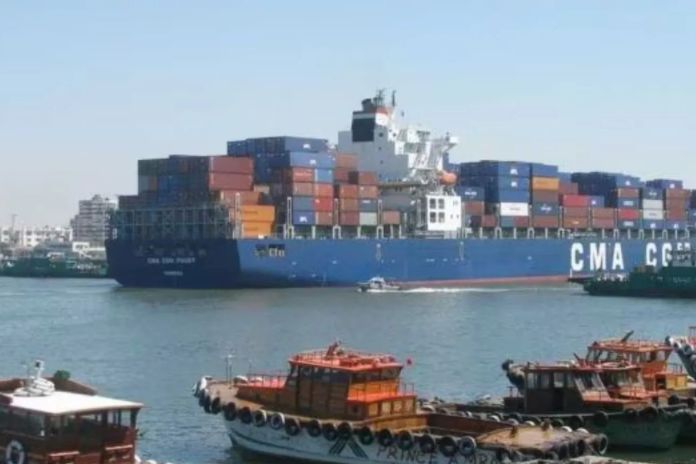
Three oil tankers carrying Saudi crude, including two bound for India and one for China, turned back in the Red Sea after a Houthi threat raised fresh security concerns over one of the world’s most important shipping lanes.
The vessels were heading toward the Suez Canal when they changed course near Yemen’s coast. Reports said the reversal came soon after the Houthis warned ships linked to Saudi Arabia not to proceed through the area. The incident shows how quickly tensions in the Red Sea can disrupt oil transport and trade.
The Red Sea route is critical for global energy shipments because it connects the Middle East with Europe and Asia. Any disruption here can force tankers to take longer routes, increasing fuel costs, delivery time, and insurance premiums. For oil buyers, including India, such delays can create additional pressure on supply chains.
The affected ships were reportedly carrying Saudi crude. Two of them were bound for India, which depends heavily on imported oil to meet its energy needs. Even temporary disruptions in major shipping corridors can affect market sentiment and raise concerns about future freight costs.
The Houthi warning has added another layer of uncertainty to an already tense maritime environment. Shipping companies are likely to review routes, security measures, and insurance coverage before sending vessels through the region. In many cases, even the threat of attack is enough to push ship operators to turn away.
For India, the development is important because it highlights the country’s exposure to instability in West Asia and nearby sea lanes. A prolonged disruption in the Red Sea could affect not only oil shipments but also trade movement through the broader route.
The latest incident also reflects the wider impact of regional conflict on global commerce. When shipping lanes become unsafe, the effects are felt far beyond the immediate zone of tension. Energy markets, freight companies, refiners, and consumers all begin to feel the pressure.
As tensions continue, traders and shipping firms will watch the Red Sea closely. Any further escalation could deepen worries about supply security and push more vessels to choose longer but safer alternatives around Africa.