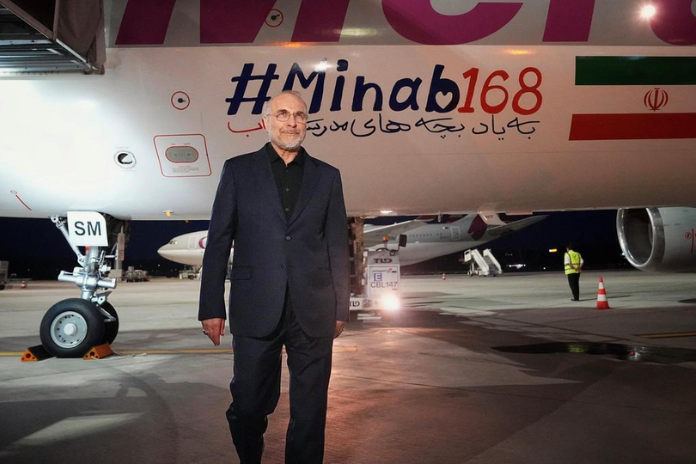
Iran’s top negotiator Mohammad Bagher Ghalibaf has described the latest understanding reached in Islamabad to end the West Asia war as a “declaration of U.S. defeat.” He said the agreement was not the result of pressure or coercion, but came from what he called the strength and resistance of the Iranian people.
Ghalibaf’s remarks came after reports of a breakthrough in talks involving Iran and the United States, with Pakistan playing a mediating role. The agreement is being seen as an initial step toward ending months of conflict in West Asia and opening the door to further negotiations on sensitive issues.
According to Ghalibaf, the deal shows that Iran did not give in to outside pressure. Instead, he argued, the outcome reflected Tehran’s ability to hold its position through sustained resistance. His comments were widely shared in regional media and are likely to add another layer of political messaging to an already tense diplomatic process.
The Islamabad understanding is being described as an early framework rather than a final peace treaty. It reportedly includes commitments that could help reduce tensions in the region and create space for a broader settlement. However, many questions remain about how quickly the parties will move toward a full agreement and whether all sides will stick to the terms.
Iran’s response highlights the gap between public messaging in Tehran and Washington. While the deal may be presented as a diplomatic breakthrough by one side, Iran is framing it as proof that pressure tactics failed. That narrative is important because it helps the Iranian leadership present the agreement as a victory at home and across the region.
The conflict in West Asia has raised fears of further instability, disruptions to trade, and wider security risks. Any move toward a negotiated settlement is therefore being closely watched by governments, markets, and regional powers. The role of Pakistan in helping facilitate the understanding also adds a diplomatic dimension to the process.
For now, the deal is more of a starting point than an ending. If talks continue, the agreement could open the way for more detailed discussions on security, sanctions, and regional stability. But if tensions rise again, the current understanding may only become another short-lived pause in a wider confrontation.
Ghalibaf’s remarks make clear that Iran wants the agreement to be seen on its own terms. By calling it a sign of U.S. defeat, he has set a strong political tone that may shape the next phase of negotiations.