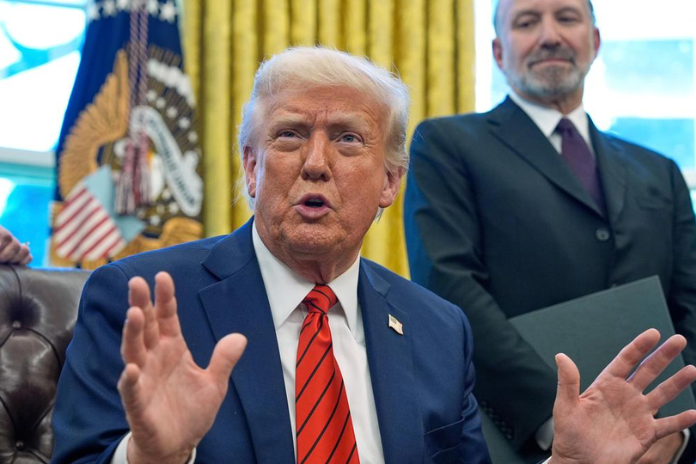
President Donald Trump has accused Iran of launching a failed drone attack against Indian ships in the Strait of Hormuz, strongly condemning the incident as “TOTALLY UNACCEPTABLE.” The accusation comes amid escalating tensions between the United States and Iran, with ongoing negotiations for a potential settlement to end the conflict.
Trump stated on social media: “their totally rebuffed Drone attack last night against Indian Ships leaving the Hormuz Strait is TOTALLY UNACCEPTABLE.” According to Trump, Iran was responsible for the attempted attack on Indian vessels departing from the critical shipping corridor, and US forces successfully thwarted the Iranian drone assault.
Iran Says No Final Decision on US Deal
Despite Trump’s announcement of a “great settlement” to end the war, Iran has confirmed it has not reached a final decision on any agreement with Washington. Iranian Foreign Ministry spokesman Esmail Baghaei explicitly stated, “We have not reached a final conclusion on this matter,” emphasizing that the proposal remains under review by Tehran’s decision-making authorities.
Iranian officials acknowledged significant progress in negotiations, with large portions of draft text finalized. However, they stressed that Tehran will not compromise on its core negotiating positions. The spokesman added that Iran entered the talks in good faith but noted that conflicting positions from US officials have complicated the diplomatic process.
Critical Shipping Route Under Threat
The Strait of Hormuz remains one of the world’s most crucial energy shipping corridors, handling approximately 20% of global oil consumption. The proposed agreement could mark a major diplomatic breakthrough after months of tensions and conflict, with potential impacts on Middle East security, global energy markets, and shipping through the strategic waterway.
The negotiations are being closely watched worldwide because of their potential consequences for regional stability and international trade routes. While Washington has signaled optimism about a possible signing in the coming days, Tehran maintains that no final approval has yet been granted.
Escalating Tensions Between US and Iran
This incident occurs amid ongoing US-Israel-Iran conflict tensions, with strikes already exchanged between US and Iranian forces. Trump previously warned Iran “will have to pay the price” for taking too long to agree on a deal, after Tehran vowed retaliation to any attacks.
The diplomatic situation remains fragile, with deep mistrust continuing between Washington and Tehran. Iran has previously rejected suggestions from Washington that a deal was close, despite Trump’s recent claims of a breakthrough agreement.
India’s Position in the Conflict
The attack on Indian ships, which Trump has accused Iran of carrying out, has added new dimensions to the conflict, potentially affecting India’s strategic relationship with both the US and Iran. The deaths of Indian seafarers in previous incidents related to the conflict have prompted public fury in India and added friction to international diplomatic efforts.
Iranian parliamentary speaker and chief negotiator Mohammad Baqer Qalibaf previously warned that “wrong strategies and impulsive decisions will reset the entire board for the worse” and create “an endless quagmire,” highlighting the risks of military escalation.
What Comes Next
The outcome of these negotiations remains uncertain as both sides maintain their positions. The US naval blockade of Iran remains in place until any agreement is finalized, according to Trump’s earlier statements.
International observers continue monitoring the situation closely, given its potential impact on global energy security and regional stability in West Asia. The coming days will be critical in determining whether a diplomatic breakthrough can prevent further military escalation in the region.