Tensions in West Asia have surged after the United States destroyed five Iranian oil tankers in the Gulf of Oman and near Iran’s Kharg Island. Washington says the strikes were retaliation for two ballistic-missile attacks on a US Navy warship by Iran’s Revolutionary Guard (IRGC) within 48 hours.
Iran, in turn, says its forces attacked two US vessels and up to 10 commercial ships trying to cross a newly declared “prohibited and unsafe” zone in the Strait of Hormuz. The exchange marks one of the sharpest escalations in the ongoing maritime conflict between the two rivals.
What the US says
US Central Command (CENTCOM) said the IRGC tried to hit a US warship with ballistic missiles twice in two days. The ship reportedly evaded both attacks and no American personnel were injured.
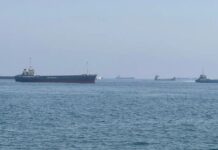
In response, US forces struck five IRGC-linked crude carriers: M/T Kaviz, M/T Charminar, M/T Horizon 1 and M/T Riesco in the Gulf of Oman, plus M/T Derya near Kharg Island. CENTCOM described the tankers as part of a “multibillion-dollar shadow network” that funds the IRGC and its regional proxies. Crews were ordered to abandon ship before the vessels were rendered inoperable.
What Iran says
Iranian state media and the IRGC say they targeted two US Navy vessels in the Gulf, accusing them of harassment and participation in a US-led naval blockade. Tehran also says it attacked around 10 ships attempting to transit a “prohibited and unsafe” area of the Strait of Hormuz.
Iran has warned that the restricted zone runs from the US blockade line into the Persian Gulf and that violators could face sanctions or force. It frames its actions as a “decisive” response to what it calls illegal US-Israeli aggression against Iranian shipping.
Why the Strait of Hormuz matters
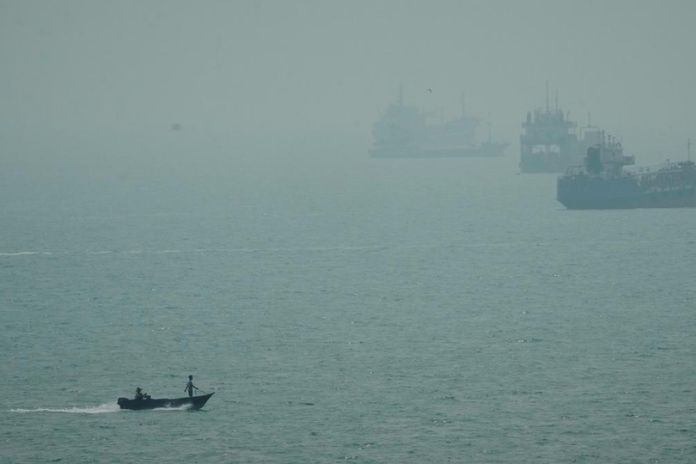
The Strait of Hormuz is a critical global oil chokepoint. A significant share of the world’s seaborne crude and condensate passes through the narrow waterway. Any sustained disruption or de facto exclusion zone there risks pushing up energy prices, forcing reroutes, and drawing more navies into an already volatile region.
Pattern of tit-for-tat strikes
This is not an isolated incident. Earlier in the week, the US said it hit three Iranian tankers after alleging missile attacks on its warships. Iran claimed retaliatory strikes on US-affiliated vessels and tankers using “unauthorised” routes.
Over the weekend, Iran announced plans for a restricted maritime zone extending from the US blockade line toward the strait and into the Persian Gulf, warning that ships entering could be sanctioned or targeted. The latest round—five tankers destroyed and claims of attacks on two US vessels plus multiple commercial ships—signals a shift from targeted warnings to broader strikes on each side’s maritime infrastructure.
What could happen next
Analysts are watching for three key developments:
- Whether Iran carries out further retaliation, including possible strikes on US or allied bases in the region. Reports already mention missile fire at a US-linked site in Jordan.
- How commercial shipping adjusts routes around the Gulf of Oman and Hormuz, and whether insurers begin treating parts of the strait as no-go zones.
- Whether any diplomatic off-ramps emerge, such as backchannel talks or third-party mediation, to prevent the maritime conflict from spiralling into a wider US–Iran confrontation.
For now, both sides appear to be testing red lines at sea, with global energy markets and regional security hanging in the balance.