

India’s retail inflation climbed to 3.93% in May 2026, marking a 16-month high as food prices rose and higher fuel costs increased transport expenses, according to official data released Friday.
The Consumer Price Index (CPI)-based inflation rate increased from 3.48% in April, driven primarily by sharper increases in food prices and rising fuel costs that pushed up logistics expenses across the country. The data was released by the Ministry of Statistics and Programme Implementation (MoSPI) on June 12, 2026.
Food Prices Lead the Surge
Food inflation accelerated to 4.78% in May, up from 4.20% in April, indicating that food item prices are rising faster than the previous month.
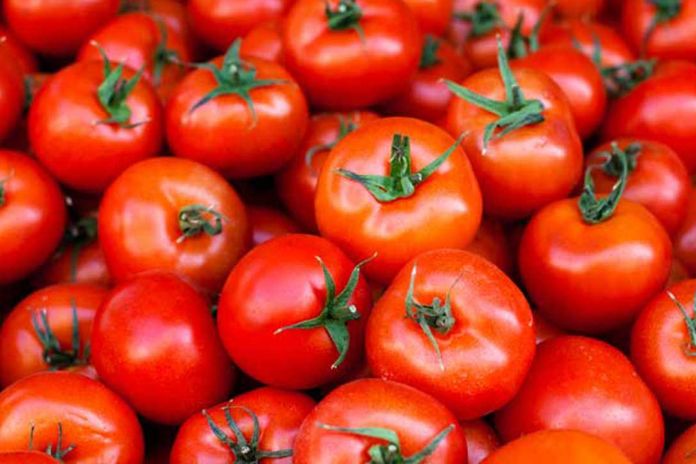
Tomatoes emerged as a major driver, with prices surging 57% year-on-year to reach ₹36 per kilogram. This sharp increase pushed the cost of home-cooked meals across India, lifting vegetarian thali costs by 5% and non-vegetarian thali costs by 7%.
Rice prices also climbed, increasing 2.7% in May. The rise was attributed to weather concerns affecting crops and higher crude oil prices impacting production and transportation costs.
Fuel Prices Push Transport Costs Higher
The second major factor behind the inflation increase was rising fuel prices. Since May, retail fuel prices have been raised cumulatively by 7.4% for petrol and 8.4% for diesel.
Transport companies responded by introducing a fuel-linked surcharge on goods transportation. Starting May 20, transporters implemented a Fuel Adjustment Factor (FAF), raising freight rates by 0.65% for every ₹1 increase in diesel prices. This move could push up logistics costs for daily essentials including groceries and medicines.
Regional Breakdown
The inflation data showed a difference between rural and urban areas:
- Rural inflation: 4.25%
- Urban inflation: 3.53%
Rural areas experienced higher price pressures compared to urban centers, likely due to greater dependence on agricultural products and limited access to alternative sources.
What Economists Say
Economists expect price pressures to intensify further in June. The continued pass-through of earlier increases in transport and cooking fuel costs, combined with ongoing supply disruptions, could push inflation higher in the coming month.
Despite the increase, the inflation rate remains below the Reserve Bank of India’s (RBI) upper tolerance limit of 4%. However, the 16-month high signals growing price pressures that could influence monetary policy decisions.
New Base Year Series
This data is part of the new CPI series with base year 2024=100, which replaced the previous 2012 base year. The updated series provides more accurate reflection of current consumption patterns in India.
Bottom Line for Consumers
For Indian households, the inflation increase means:
- Higher grocery bills, especially for vegetables like tomatoes
- Increased cooking costs due to rice price rises
- Potentially higher prices for transported goods and medicines
- Greater fuel expenses for personal and public transportation
The government and RBI will likely monitor these trends closely as they assess whether additional measures are needed to control price pressures while supporting economic growth.
As supply chains stabilize and fuel prices potentially ease, inflation could moderate in subsequent months. However, immediate relief may be limited for consumers facing higher prices on essential items.







 and increased fuel costs pushing transport expenses.)