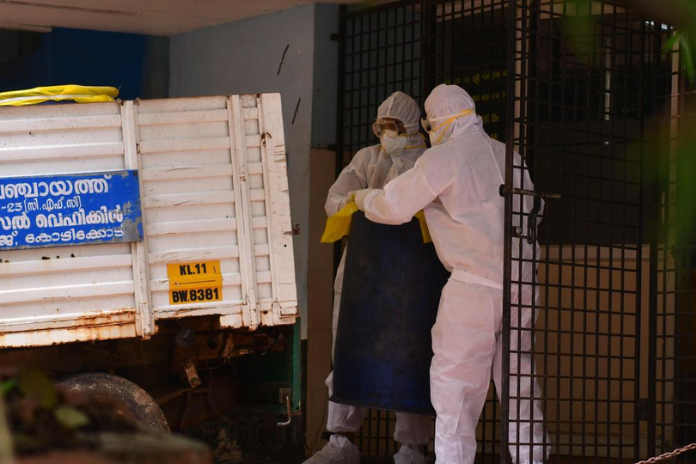
Kerala’s health department has intensified containment measures after the National Institute of Virology in Pune confirmed a Nipah virus infection in a 43-year-old man from Ramanattukara, Kozhikode district. The patient is currently in critical condition on ventilator support at Kozhikode Medical College’s intensive care unit.
Authorities have traced 77 contacts of the infected patient and are monitoring them closely for any signs of the virus. So far, none of the contacts have reported symptoms, which health officials consider a positive development in controlling the outbreak.
Contact Breakdown: Healthcare Workers Make Up Majority
The 77 contacts under surveillance include:
- 58 healthcare workers – the largest group, reflecting the patient’s hospital exposure
- 14 family members – immediate household contacts
- 5 friends and colleagues – social and professional contacts
Among these, persons categorized as high-risk contacts have been placed under quarantine. Health department sources confirm that 11 to 15 high-risk individuals are currently in isolation or home quarantine, depending on their exposure level.
What Is Nipah Virus?
Nipah virus is a zoonotic disease – meaning it spreads from animals to humans. The primary carriers are fruit bats (also called flying foxes), which transmit the virus through contaminated food or direct contact. The virus can also spread between humans through close contact with an infected person’s bodily fluids.
Symptoms include:
- Fever and headache
- Muscle pain and fatigue
- Cough and breathing problems
- In severe cases: brain inflammation (encephalitis), seizures, and coma
The virus has a high mortality rate, ranging from 40% to 75% in previous outbreaks, making early detection and isolation critical.
Kerala’s Nipah History and Current Outbreak
Kerala has experienced multiple Nipah outbreaks since 2018, with Kozhikode district being the most affected area. The May–September period is considered high-risk for Nipah transmission in the state, according to health officials.
This latest case marks one of six confirmed Nipah infections in the current Kozhikode outbreak. The state previously saw successful containment efforts, including the recovery of four infected patients in 2023 – including a 9-year-old boy who survived after ventilator support, a medical milestone for Nipah treatment.
Government Response and Public Advisory
Kerala Health Minister K. Muraleedharan has confirmed the positive test results and urged the public to remain vigilant. The government has:
- Opened a control room in Kozhikode for coordinated response
- Intensified surveillance and screening at hospitals
- Issued public health advisories across the district
- Prepared isolation wards for potential new cases
Key public advisory:
- Do not touch or approach bats – the known carriers
- Avoid consuming contaminated fruits or food exposed to bats
- Seek immediate medical attention if fever, headache, or breathing problems develop
- Follow quarantine instructions if identified as a contact
Why This Matters for Kerala and India
Nipah virus outbreaks pose significant public health challenges due to their high transmission potential in healthcare settings and fatal outcomes. The fact that 58 of 77 contacts are healthcare workers highlights the importance of hospital infection control protocols.
Kerala’s rapid response – including contact tracing within days of confirmation – demonstrates the state’s strengthened disease surveillance system since the 2018 outbreak. This approach has helped prevent larger community spread in previous incidents.
What to Watch Next
Health officials will continue monitoring the 77 contacts for at least 21 days – the typical incubation period for Nipah virus. The patient’s recovery progress will also be critical, as ventilator support cases have shown both recovery and fatal outcomes in past outbreaks.
The public should stay informed through official health department channels and avoid panic. With no symptoms reported among contacts so far and containment measures in place, Kerala is working to prevent this from becoming a larger outbreak.