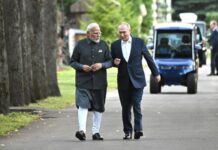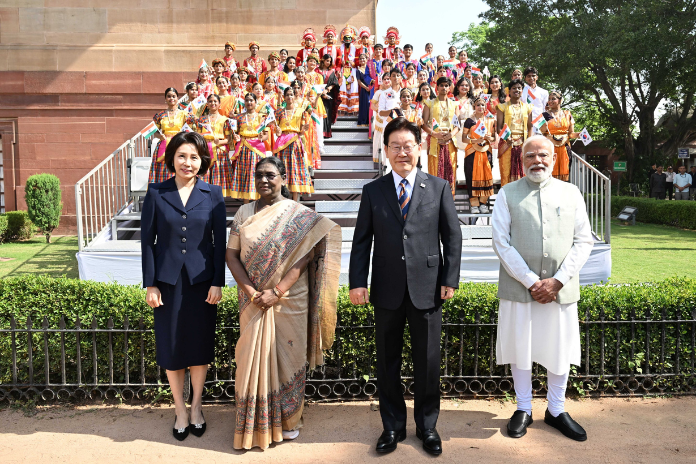
India and South Korea have kicked off negotiations to upgrade their Comprehensive Economic Partnership Agreement (CEPA), a pact signed in 2009 and active since 2010. This step responds to global trade disruptions from rising geopolitical tensions. The two nations aim to deepen ties in trade, investments, artificial intelligence, semiconductors, and critical technologies. Prime Minister Narendra Modi called this a “futuristic” partnership during talks with South Korean President Lee Jae-myung.
PM Modi’s Message of Peace
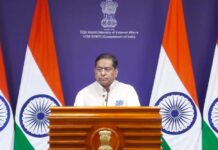
In a joint press briefing, PM Modi stressed that India and South Korea stand together for peace and stability in an era of global uncertainty. “India, South Korea together convey a message of peace and stability,” he said. This comes as both countries commit to Indo-Pacific security and South Korea’s involvement in global initiatives like the International Solar Alliance. The leaders’ meeting highlights their shared vision for resilient economic links despite worldwide challenges.
Ambitious Trade Goals
The partnership sets a bold target of $50 billion in bilateral trade by 2030. Focus areas include energy, critical minerals, shipbuilding, and steel sectors. Negotiations seek to modernize the CEPA, addressing supply chain issues and boosting high-tech collaboration. This upgrade builds on years of growing trade, positioning both economies as key players in Asia.
MoUs Strengthen Ties
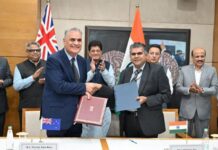
Several Memorandums of Understanding (MoUs) were exchanged to enhance people-to-people and economic connections. These cover areas like technology transfer, cultural exchanges, and joint ventures. The agreements signal deeper integration, from AI innovation to sustainable development. Such steps reinforce long-term stability in their strategic partnership.
Why It Matters Now
Global tensions have disrupted supply chains, making pacts like CEPA vital for growth. India and South Korea’s move promotes open trade and counters protectionism. It also aligns with broader goals of regional peace, benefiting businesses and consumers alike. As negotiations progress, expect faster approvals for investments and expanded market access.
This partnership exemplifies proactive diplomacy. By prioritizing cooperation, both nations send a clear signal: stability drives progress.