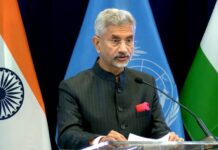
Defence Minister Rajnath Singh is set to visit Germany from April 21 to 23, 2026, in a major step to strengthen India–Germany defence ties. This will be the first visit of an Indian defence chief to Berlin in about seven years, underscoring the growing importance both countries give to strategic and defence cooperation. The trip comes at a time when India is diversifying its defence partnerships and Germany is looking to deepen its role in Indo‑Pacific security and global defence industrial chains.
Why the visit matters
The visit is not just a diplomatic formality; it aims to take the India–Germany defence relationship from occasional deals to a structured, long‑term partnership. Since 2024, both countries have worked to upgrade defence and security cooperation, including easing German export‑control rules and signing joint political declarations on strategic defence collaboration. Singh’s talks in Berlin are expected to give fresh momentum to these efforts and signal a higher level of trust between New Delhi and Berlin.
Germany is already an important technology and defence‑equipment partner for India, especially in areas like submarines, aviation, and high‑end electronics. The proposed Defence Industrial Cooperation Roadmap, to be signed during the visit, is designed to encourage German firms to co‑develop and co‑produce defence systems in India and expand local manufacturing under the “Make in India” programme.
Defence industrial cooperation
A core focus of the discussions will be expanding defence industrial collaboration between India and Germany. The planned Defence Industrial Cooperation Roadmap will lay out a framework for German companies to invest in India, set up joint ventures, and participate in Indian defence projects ranging from land systems to naval platforms.
Senior officials expect this to open the door for more German defence manufacturers to enter India’s defence‑industrial ecosystem, particularly in areas such as shipbuilding, combat electronics, and maintenance‑repair‑overhaul (MRO) services. The roadmap is also expected to ease technology‑transfer rules and streamline bureaucratic clearances, making it easier for sensitive defence technologies to flow between the two countries.
Military‑to‑military engagement
Beyond industry and trade, Singh’s Germany visit will also focus on strengthening military‑to‑military engagement. Both sides are expected to discuss expanding joint exercises, training exchanges, and interoperability in land, air, and maritime domains. Germany has already committed to participating in large‑scale Indian‑led drills such as TARANG SHAKTI (air defence) and the MILAN naval exercise in 2026, which will further deepen practical coordination between the two armed forces.
The visit may also see the formalisation of an Implementing Arrangement on cooperation in UN Peacekeeping Operations training. This document would allow India and Germany to share expertise and training methods for peacekeeping missions, reflecting their shared interest in global stability and multilateral security architecture.
Cybersecurity, AI and drone technology
Emerging domains such as cybersecurity, artificial intelligence (AI), and drone technology are set to be a key part of the India–Germany defence agenda. With both countries investing heavily in digital defence and unmanned systems, Singh’s talks are likely to explore joint research, technology‑sharing, and pilot projects in AI‑driven command systems, secure communications, and unmanned aerial vehicles (UAVs).
Such cooperation can help India access advanced European know‑how in areas like secure data networks and autonomous platforms, while giving German firms access to India’s growing defence R&D budget and large operational user base. Over time, these partnerships could lead to jointly developed systems tailored for modern warfare and hybrid threats.
Big picture: India–Germany defence ties
In the broader Indo‑Pacific context, Germany’s growing defence cooperation with India reflects Bonn’s desire to contribute more to regional security without directly aligning with any single power bloc. For India, the partnership offers a way to balance defence imports, reduce dependence on any one supplier, and integrate cutting‑edge European technology into its military modernisation plans.
Rajnath Singh’s Germany visit is a visible marker of this shift. By focusing on defence industrial cooperation, military‑to‑military engagement, and next‑generation technologies, the trip aims to cement India–Germany defence ties as one of the more stable and forward‑looking strategic partnerships of the decade.