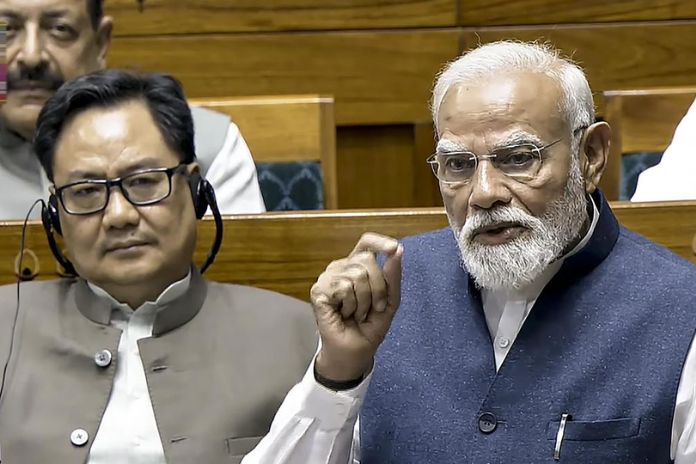
Prime Minister Narendra Modi delivered a strong message in the Lok Sabha on April 16, 2026, addressing fears around the Delimitation Bill. He gave his personal guarantee that no state—north, south, east, or west—would suffer injustice from the process. This assurance counters opposition concerns about shifting parliamentary power.
Why the Delimitation Bill Matters Now
India’s electoral map hasn’t been fully redrawn since 2002, frozen by a 2001 law to encourage population control. The new Delimitation Bill 2026 changes that. It sets up a commission to adjust Lok Sabha seats and boundaries using 2011 Census data, skipping the pending 2026 census.
The goal? Boost total seats from 543 to about 850. This expansion paves the way for a 33% women’s quota in legislatures before the 2029 elections. ST seat proportions stay protected, ensuring tribal voices remain strong.
Modi emphasized fairness: existing state seat shares won’t shrink. Southern states like Tamil Nadu and Kerala, which curbed population growth better than the north, won’t lose clout. “My guarantee,” he said, framing it as nation-building over regional politics.
Southern States’ Fears and Modi’s Response
Opposition leaders from Odisha, Telangana, and southern regions raised alarms. They argue lower population growth there could mean fewer seats post-delimitation, rewarding northern states with higher birth rates. This, they say, upsets federal balance despite family planning success.
Modi hit back, urging Parliament to pass the bill without delay. “Women of India won’t forgive delays,” he warned, linking it to Viksit Bharat goals. He accused critics of playing politics, insisting the process protects every region’s stake.
Key Bill Features at a Glance
| Aspect | Details |
| Basis | 2011 Census data (not 2026) |
| Lok Sabha Growth | 543 to ~850 seats |
| Women’s Quota | 33% in assemblies and Parliament |
| Protections | State proportions, ST seats maintained |
| Timeline | Effective before 2029 polls |
This table highlights how the bill balances growth and equity.
Bigger Picture for Indian Democracy
The bill ties into constitutional changes like the 131st Amendment. It aims to modernize representation as India’s population hits 1.4 billion. By using 2011 figures, it speeds up reforms without waiting years.
Modi’s speech rallied support, painting delimitation as a step toward inclusive growth. No state loses ground; all gain from more seats and women’s inclusion. Debates continue, but his “no injustice” pledge sets a unifying tone.
For states like Uttar Pradesh (user’s home turf in Lucknow), it means potential seat gains without harming others. This keeps federal harmony intact.