Iran‑linked drone and missile strikes have struck Gulf states and Israel in a fresh escalation of the ongoing Middle East conflict. On March 30, 2026, Kuwait confirmed that an Indian worker was killed in an attack on a power and water desalination facility, while Israel intercepted multiple drones fired from Yemen toward its territory. The incidents mark another sharp rise in regional tensions, as Iran, its allies, and Gulf‑based U.S. and Israeli forces continue trading blows across the region.
Worker killed in Kuwait attack
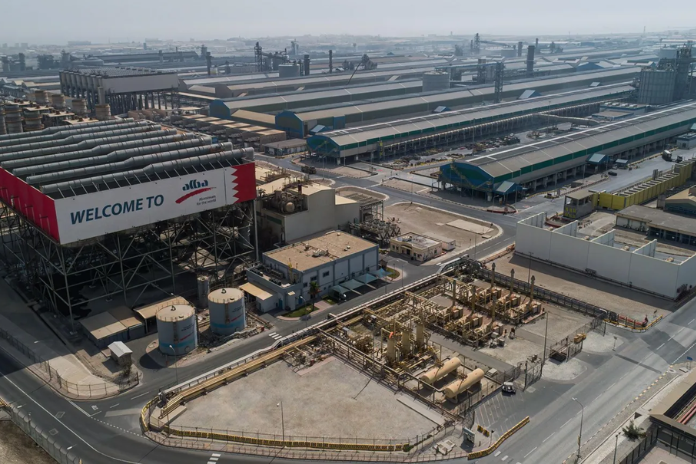
Kuwaiti authorities reported that an Indian laborer was killed when an Iranian‑launched drone or missile hit a combined power‑generation and desalination plant. The facility sustained visible damage, underscoring the vulnerability of critical infrastructure in the Gulf. The attack comes amid a broader Iranian campaign targeting countries that have supported U.S. and Israeli military operations in the region.
The death highlights how the conflict is increasingly affecting foreign workers and civilians in Gulf states, many of whom form the backbone of key energy, construction, and industrial sectors. Kuwait has tightened security around infrastructure sites and has called on regional and international partners to de‑escalate the crisis.
Israel intercepts Yemen‑based drones
At the same time, Israel’s air‑defense systems intercepted several drones launched from Yemen toward its territory. The drones are linked to the Iran‑backed Houthi movement, which has repeatedly joined Iran’s broader campaign by targeting Israel and regional shipping lanes. Israeli military sources confirmed that the drones were detected and shot down before reaching populated areas.
Houthi forces have admitted responsibility for a series of drone and missile strikes across the Red Sea and the Arabian Peninsula, often in coordination with Iranian advisory and technical support. The attacks are part of a widening pattern of proxy warfare, where Iran and its allies use Yemen, Lebanon (via Hezbollah), and Iraqi militias to pressure Israel and its allies without engaging in direct large‑scale conventional war.
Rising fears of regional war
These incidents have intensified concerns that the Middle East could slide into a broader regional war. Gulf states have invested heavily in air‑ and missile‑defense systems, expanded early‑warning networks, and coordinated closely with U.S. commands deployed in the region. Yet repeated strikes on oil infrastructure, power plants, airports, and other targets have raised questions about whether current defenses are enough to prevent economic disruption and civilian casualties.
Iran portrays its actions as retaliation for U.S. and Israeli strikes on Iranian nuclear sites and military facilities, as well as against Iranian‑backed groups in Syria, Iraq, and Lebanon. Western governments, in turn, argue that Iran’s missile and drone programs pose a direct threat to regional stability and international trade.
Economic and human impact
The attacks have had both economic and human consequences. Damage to power and desalination plants in the Gulf can lead to temporary outages in electricity and drinking‑water supplies, especially in hot and arid regions where such infrastructure is vital. Shipping routes and oil‑export terminals have also faced repeated disruptions, pushing up insurance costs and contributing to volatility in global energy markets.
For laborers and residents, the psychological toll is growing. Many foreign workers in Kuwait and neighboring states now live under the constant threat of missile and drone alerts, even as they continue to support these economies.
Diplomatic and security responses
Diplomatically, several Gulf states have called for renewed talks and international mediation to prevent further escalation. The European Union, along with individual European powers, has urged restraint and pushed for a return to negotiated channels. At the same time, the United States has reinforced its military presence in the region, including air bases, naval assets, and missile‑defense batteries, while coordinating closely with Israel and Gulf partners.
For now, the situation remains highly fluid, with new strikes and interceptions reported almost daily. As Iran‑linked drones and missiles continue to test Gulf and Israeli defenses, the risk of miscalculation or unintended escalation persists, making conflict‑prevention efforts more urgent than ever.