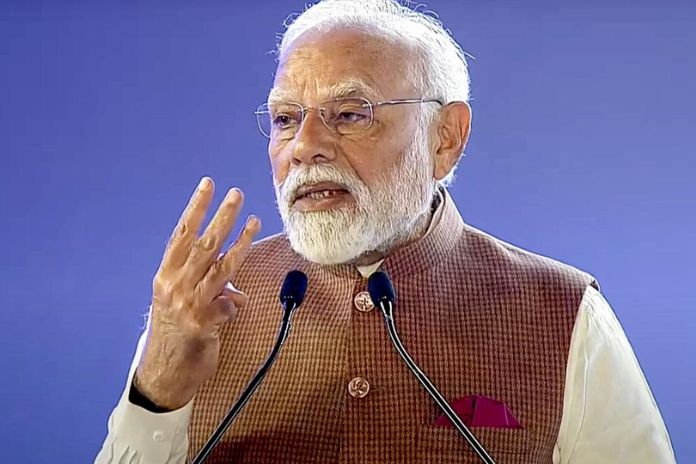
India is rapidly positioning itself as a trusted global supplier of semiconductors, with Prime Minister Narendra Modi hailing the latest facility inauguration as a pivotal step toward self-reliance. This milestone bolsters the nation’s semiconductor ecosystem, reducing import dependence and fueling economic growth.
Strengthening India’s Chip Ambitions
Prime Minister Narendra Modi recently emphasized India’s evolving role in the global semiconductor market during the inauguration of Kaynes Semicon’s outsourced semiconductor assembly and test (OSAT) facility in Sanand, Gujarat. He described the event as a “landmark step” in creating a robust domestic ecosystem for chip production. This development aligns with India’s broader push for technological independence, moving from being a major consumer of semiconductors to a key manufacturer.
The new OSAT facility represents a significant leap in assembly, testing, and packaging capabilities—critical stages in semiconductor production. By hosting such advanced infrastructure, India aims to attract more investments and integrate into international supply chains. Modi’s vision underscores how these initiatives create jobs, spur innovation, and secure supply for industries like electronics, automobiles, and defense.
Key Milestones in Semiconductor Push
India’s journey gained momentum with government-backed projects under the India Semiconductor Mission. A standout example is Micron’s Assembly, Test, Marking, and Packaging (ATMP) plant, also in Sanand, Gujarat. Inaugurated earlier, it marked India’s first major “Made in India” memory modules entering commercial production. These facilities are expected to produce chips for domestic and export markets by year’s end.
Other highlights include virtual inaugurations of units in Uttar Pradesh and events like Semicon India 2025 in New Delhi. The Prime Minister noted that the world is eager to partner with India in building the semiconductor future, reflecting growing investor confidence. With billions in incentives, these efforts have drawn global giants, promising thousands of high-skill jobs and positioning India as a counterbalance to supply chain disruptions elsewhere.
Global and Economic Impact
Semiconductors power everything from smartphones to electric vehicles, making reliable supply chains vital amid geopolitical tensions. India’s strategic location, skilled workforce, and policy support make it an ideal hub. PM Modi’s remarks signal confidence: “India is strengthening its role as a reliable chip supplier in the global market.”
This self-reliance drive not only cuts import costs—India spends billions annually on chips—but also fosters R&D and startups. As production scales, expect ripple effects in exports, manufacturing revival, and tech leadership. Challenges like skill gaps and infrastructure remain, but momentum is undeniable.
In summary, these inaugurations are more than facilities; they’re foundations for a $1 trillion digital economy goal. India’s semiconductor story is just beginning, promising a self-reliant tomorrow.