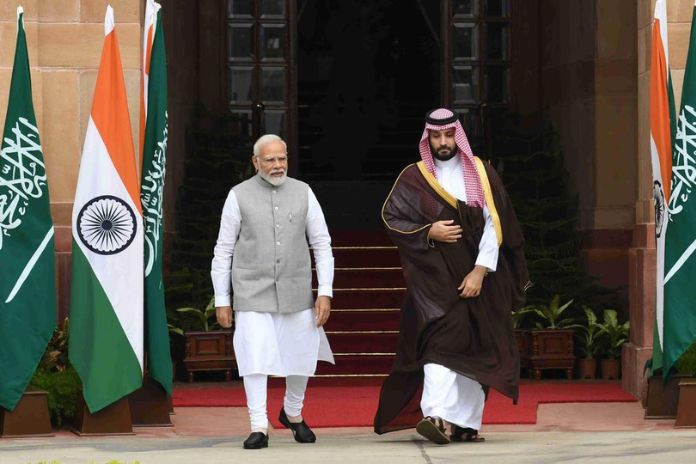
Prime Minister Narendra Modi recently spoke with Saudi Arabia’s Crown Prince and Prime Minister Mohammed bin Salman on March 27, 2026. The conversation centered on the ongoing crisis in West Asia, triggered by military actions since late February. Both leaders stressed the need for quick de-escalation to protect regional stability.
Main Topics Covered
During the call, Modi condemned attacks on energy infrastructure in the region, calling them a serious threat to global supplies. India relies heavily on West Asian oil, making such disruptions a major concern. The two agreed to prioritize freedom of navigation and secure shipping lines, vital for trade through areas like the Strait of Hormuz.
Modi also expressed thanks for Saudi Arabia’s support to the Indian community there. With millions of Indians living and working in the Gulf, their safety remains a top priority amid the unrest. This marked the second such discussion between the leaders since the conflict escalated on February 28, following strikes involving Israel, the US, and Iran.
India’s Diplomatic Push
India has ramped up outreach to ease tensions. Modi has connected with leaders from Gulf Cooperation Council countries, Iran, Israel, and others to restore supply chains and safeguard expatriates. About 10 million Indians reside in West Asia, facing risks from the spreading conflict. The focus is on preventing further hits to energy flows and maritime paths.
Why It Matters
This dialogue underscores India’s balanced role in West Asia, balancing ties with Saudi Arabia, a key energy partner, while urging peace. Secure shipping ensures steady oil imports for India, the world’s third-largest consumer. Both nations aim for swift stability to avoid economic fallout.
The exchange reflects growing India-Saudi coordination on global issues. As tensions persist, such calls help align efforts for dialogue over confrontation. Modi highlighted Saudi support for Indians, strengthening people-to-people bonds.