Israel has launched airstrikes on Beirut’s southern suburbs, targeting Hezbollah strongholds, just hours after the Iran-backed group fired missiles and drones into northern Israel. This escalation coincides with the United Arab Emirates closing its embassy in Tehran and recalling its ambassador, citing Iran’s recent missile and drone barrages across the Gulf region that killed four and wounded dozens.
Hezbollah Triggers Israeli Response
Hezbollah claimed responsibility for a midnight barrage of missiles aimed near Haifa, framing it as retaliation tied to broader clashes involving Iran, including the reported death of Supreme Leader Ali Khamenei. Israeli forces hit back with pre-dawn raids on command centers, weapon stockpiles, and fighter positions in Beirut’s Dahieh district, southern Lebanon, and the Bekaa Valley. Several senior Hezbollah figures were reportedly killed, though exact casualty figures from Lebanese sources remain unverified amid chaotic evacuations and ambulance sirens.
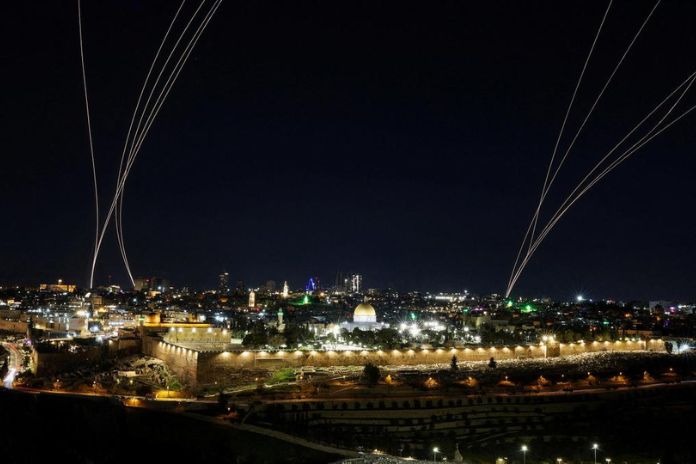
The strikes mark a sharp intensification along the Israel-Lebanon border, with Israel’s military emphasizing precision hits to degrade Hezbollah’s capabilities. Local reports describe heavy explosions lighting up Beirut’s skyline, forcing thousands to flee densely populated areas.
UAE severs Tehran Ties Over Gulf Assaults
In a parallel development, the UAE took decisive diplomatic action against Iran. Since February 28, Tehran has unleashed hundreds of ballistic missiles and drones on Gulf targets, including the UAE’s Etihad Towers in Abu Dhabi. While air defenses intercepted most projectiles, the attacks claimed three foreign national lives and injured 58 others. Kuwait reported one death and 32 wounded; Qatar had eight injuries; Oman also faced strikes.
Dubai’s government denounced the barrages as “unprovoked aggression on civilian infrastructure,” reversing years of warming relations with Iran. The embassy closure signals a broader realignment, with Gulf states bolstering defenses amid fears of wider war.
Roots in US-Israel-Iran Clashes
This multi-front flare-up stems from recent US-Israel air operations deep inside Iran, which eliminated key military commanders and reportedly Khamenei. Iran vowed revenge, prompting its proxy network—including Hezbollah—to activate. US President Donald Trump, responding to the deaths of three American service members in related strikes, pledged a sustained campaign. Iranian casualties exceed 200, with injuries reported in Israel from retaliatory fire.
Regional powers watch warily as the conflict spills beyond traditional lines. Diplomatic efforts for cease-fires have stalled, with envoys urging restraint amid risks to global energy routes. Hezbollah vows further action, while Israel warns of escalated responses if attacks persist.
What Lies Ahead?
Analysts see no quick resolution. Iran’s Gulf campaign tests Arab defenses and unity, potentially drawing in Saudi Arabia. Israel’s Beirut operation could expand if Hezbollah rebuilds. With oil prices spiking and supply chains disrupted, international calls for de-escalation grow louder.
This Iran-Israel conflict tests alliances and resilience in a volatile region. Stay tuned for live developments as events unfold.