Sheikh Hasina passport request, Sheikh Hasina return to Bangladesh, Bangladesh passport rejection, Matrix Chambers Sheikh Hasina, Bangladesh extradition treaty India, Sheikh Hasina death sentence, International Crimes Tribunal Bangladesh
Bangladesh rejects Sheikh Hasina’s passport request
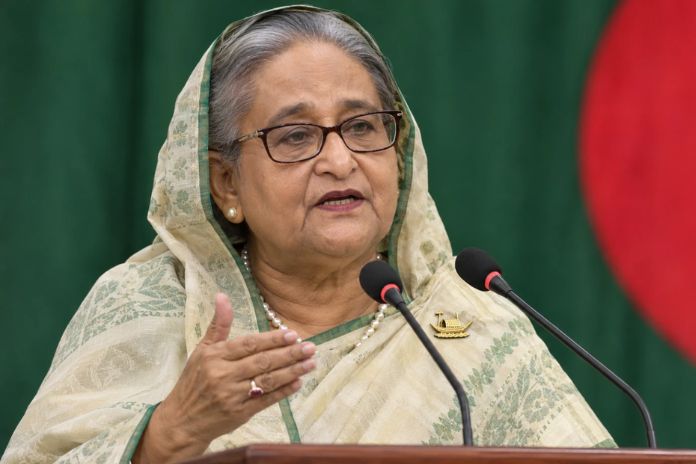
Bangladesh has rejected former prime minister Sheikh Hasina’s request for a new passport and national identity card, saying she cannot receive travel documents while she remains a fugitive facing a death sentence. Her lawyers had asked Bangladesh’s High Commission in New Delhi to issue the documents so she could return from exile in India.
The request was sent by London-based law firm Matrix Chambers on November 9. It asked Bangladeshi authorities to act quickly, citing Hasina’s citizenship and international human-rights obligations.
What Bangladesh said
Bangladesh’s State Minister for Foreign Affairs, Humaiun Kobir, rejected the application and said the country does not issue passports to people it describes as terrorists or fugitives. He said Dhaka wants Hasina handed over under the extradition treaty between Bangladesh and India.
The chief prosecutor of Bangladesh’s International Crimes Tribunal, Md Aminul Islam, said there is no legal scope to issue a passport or travel document to Hasina. He argued that a person who evades judicial proceedings or remains a fugitive cannot receive a passport under Bangladesh’s passport law.english.
Why Hasina wants to return
Hasina has been living in India since fleeing Bangladesh on August 5, 2024, after a mass student-led uprising ended her 15-year rule. She has said she plans to return to Bangladesh in December and surrender before a court.
Her aides described the passport request as an important step toward her return. However, Bangladesh says her return must happen through extradition, not through an ordinary travel document.
Extradition remains the key issue
Bangladesh and India signed an extradition treaty in 2013. Dhaka says this treaty is the legal route for Hasina’s return, while India has so far not handed her over.
The dispute has created fresh political and legal tension between the two neighbours. Hasina’s Awami League party says she may return in December with or without official documents, but it has not explained how she would enter Bangladesh if Dhaka refuses to issue a passport.
What happens next
The immediate question is whether India will respond to Bangladesh’s extradition request. Until then, Hasina’s planned return remains uncertain, and Bangladesh maintains that she must face the court process after arriving through extradition.
The case is likely to remain a major test of India-Bangladesh relations, judicial procedure, and the political future of one of Bangladesh’s most influential former leaders.