India’s retail inflation increased to 4.45% in July 2026, marking a 19-month high, as food and fuel-related costs placed renewed pressure on household budgets. Inflation stood at 4.38% in June, according to provisional data released by the Ministry of Statistics and Programme Implementation.
The latest figure is important because consumer inflation has remained above the Reserve Bank of India’s medium-term target of 4% for the second consecutive month. However, it is still within the RBI’s permitted inflation range of 2% to 6%.
Food inflation accelerates
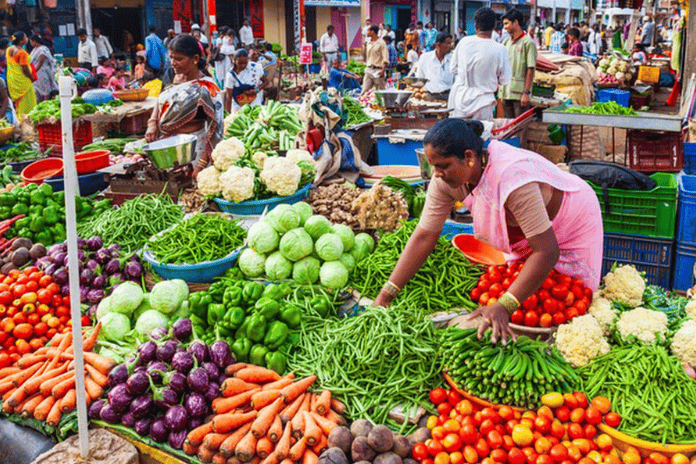
Food prices were the biggest contributor to the increase. Inflation based on the Consumer Food Price Index rose to 5.52% in July, compared with 5.32% in June.
Prices of several kitchen staples increased sharply during the month. Ginger recorded inflation of 83.62%, while garlic prices rose by 35.36% and onion prices increased by 22.54% on an annual basis.
The increase was partly moderated by lower prices of potatoes, tomatoes, peas and lady’s finger. Potato prices remained in deflation, although the decline eased to 16.56% in July from 20.34% in June. Tomato prices also fell into deflation during the month.
Rural inflation remains higher
Rural consumers faced greater price pressure than their urban counterparts. Rural inflation rose to 4.84%, while urban inflation stood at 3.96%.
Rural food inflation was recorded at 5.79%, compared with 5.05% in urban areas. The gap highlights the stronger impact of food-price movements on rural households, where food generally accounts for a larger share of household spending.
In Uttar Pradesh, combined inflation stood at 4.74%. Rural inflation in the State was higher at 5.25%, while urban inflation was recorded at 3.62%.
Transport and restaurant costs rise
Fuel and transport costs also contributed to the July increase. Transport inflation rose to around 4.43%, with higher expenses for personal vehicles and goods transportation.
Rising fuel and logistics costs affected restaurants and accommodation services. Inflation in the restaurants and accommodation category increased to 7.72%. Food and beverage-serving services recorded inflation of about 7.75%, indicating that higher input and operating costs were being reflected in restaurant prices.
Reuters reported that petrol and diesel prices had been raised several times in May amid higher global crude prices linked to tensions involving the United States and Iran. Although crude prices later eased, they remained above pre-conflict levels, keeping transport costs elevated.
Some services see softer inflation
Inflation moderated in several service categories. Healthcare inflation stood at 1.34%, while recreation, sports and culture recorded inflation of 1.64%. Inflation in information and communication services was lower at 0.63%.
The RBI is unlikely to change interest rates solely because of the July inflation data. Core inflation, which excludes volatile food and fuel prices, remained relatively moderate. However, continued increases in food, fuel and transport costs could influence future monetary policy decisions.
The outlook will depend on vegetable arrivals, the monsoon, global crude prices and the extent to which higher input costs are passed on to consumers