Iran’s military command has officially declared the Strait of Hormuz closed to all maritime traffic, marking a dramatic escalation in West Asia tensions. The closure comes amid accusations that the United States and Israel have violated a fragile ceasefire agreement signed just days earlier.
The Strait of Hormuz is one of the world’s most critical energy chokepoints, with approximately 20% of global oil passing through it. Any prolonged disruption could send shockwaves through international energy markets.
Peace Talks Derailed by Lebanon Violence
Direct negotiations between the U.S. and Iran were called off on June 19, collapsing what officials hoped would be a breakthrough in regional diplomacy. Vice President JD Vance cancelled his trip to Switzerland, where the talks were scheduled, following intense fighting between Israel and Hezbollah in southern Lebanon.
The violence on June 19 was particularly deadly:
- Four Israeli soldiers were killed in one of Hezbollah’s most severe attacks
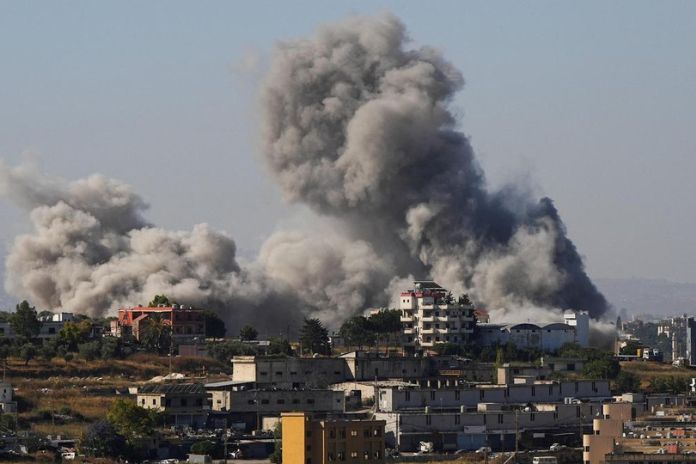
- At least 15-18 civilians died in Israeli strikes across southern Lebanon
- The bombardment in the Nabatieh district was described as among the heaviest in recent weeks
The Fragile Trump-Pezeshkian Deal
This crisis threatens a conditional two-week ceasefire signed earlier this week between U.S. President Donald Trump and Iranian leader Masoud Pezeshkian. The agreement was brokered through last-minute diplomacy led by Pakistan, aiming to halt the wider regional war across all fronts—including Lebanon, which Tehran identified as a key demand.
While global powers welcomed the truce, experts warned it remained fragile and limited in scope. The ongoing hostilities have now strained the deal significantly, with both sides claiming victory while deep differences remain, particularly over Iran’s nuclear program and sanctions relief.
Iran’s Official Warning
Iran’s Khatam al-Anbiya Central Headquarters announced the closure Saturday, June 20, calling it the “initial step” in retaliation. The military command cited two primary violations:
| Alleged Violation | Iran’s Claim |
|---|---|
| U.S. breach | “Explicit breach of the first clause” of the post-war memorandum of understanding |
| Israel’s actions | “Continuous and ongoing violations of the ceasefire in southern Lebanon” |
Iran warned that additional actions would follow if “aggression” persists against the agreement.
Conflicting Claims Over Strait Access
While Iran declared the strait closed, the U.S. has maintained it remains open. Earlier reports indicated the U.S. Navy allowed at least 12 ships to pass through the blockade after the Iran deal was signed, according to JD Vance.
This discrepancy highlights the conflicting narratives emerging from both sides, with each claiming victory while deep operational differences remain unresolved.
Regional Escalation Risk
The closure represents a major escalation risk for West Asia. Iran’s military has warned of further action if ceasefire violations continue, suggesting the situation could deteriorate rapidly.
As of June 20, Israel and Hezbollah have agreed to a renewed ceasefire, according to multiple sources familiar with the situation. However, trust between the parties remains severely damaged, and the underlying tensions that sparked this crisis have not been resolved.
Global Economic Implications
The strategic importance of the Strait of Hormuz means any prolonged closure could trigger:
- Sharp increases in global oil prices
- Disruption to energy supplies for Asia, Europe, and the Americas
- Potential ripple effects across international trade routes
Countries dependent on Middle Eastern oil—including India, China, Japan, and European nations—face immediate uncertainty about energy security.
What Comes Next
The situation remains fluid as diplomatic channels work to prevent further escalation. Key development areas to monitor:
- Whether Iran maintains the closure or lifts it as negotiations progress
- How the U.S. responds to Iran’s blockade declaration
- Stability of the renewed Israel-Hezbollah ceasefire in Lebanon
- Whether Pakistan or other mediators can restart U.S.-Iran dialogue
The West Asia conflict has entered a dangerous new phase, with the closure of one of the world’s most vital shipping channels signaling that the region’s fragile peace remains at serious risk.