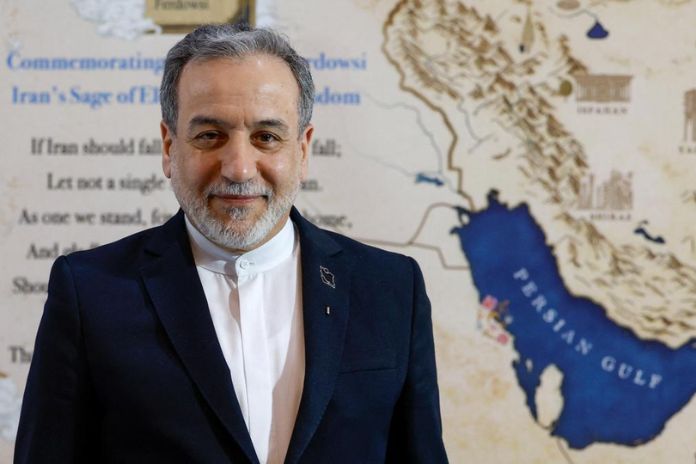
Tehran has made its position crystal clear: the ceasefire between Iran and the United States applies to all battlefields, including Lebanon. Iranian Foreign Minister Abbas Araghchi warned Washington and Tel Aviv that any violation anywhere means the entire truce is broken.
“Its violation on one front is a violation of the ceasefire on all fronts,” Araghchi stated. “Washington and Israel are responsible for the consequences of any violation.”
This stance creates fresh tension as Israel continues military operations in southern Lebanon despite the conditional truce that began in early April 2026.
Trump Sends Tougher Peace Terms to Iran
President Donald Trump has returned a revised, tougher peace proposal to Iran for reconsideration. U.S. officials say the changes aim to pressure Tehran into accepting the framework more quickly.
The original Iranian peace plan included complete lifting of international sanctions, unfreezing of Iranian assets abroad, ending all attacks on Iranian soil and its allies, and guarantees against future U.S. military strikes.
Trump’s revised terms remain undisclosed, but Iran’s chief negotiator Mohammad Bagher Ghalibaf said Tehran would not agree to any deal unless it fully secured Iranian interests.
Israel’s Deepest Lebanon Incursion in 26 Years
Israeli military forces have captured the 900-year-old Beaufort Castle, a historic Crusader-era fortress in southern Lebanon. This marks Israel’s deepest military penetration into Lebanese territory since 2000.
Key Territorial Gains
Beaufort Castle: A 900-year-old Crusader fortress not held by Israel for 26 years.
Strategic Ridge: High ground overlooking southern Lebanon, near Beaufort.
Distance from Nabatiyeh: Israeli troops now approximately 3 miles from the city.
The IDF crossed the Litani River in this advance, aiming to dismantle Hezbollah infrastructure in southern Lebanon.
The Ceasefire Dispute: Who’s Right?
A critical disagreement threatens to collapse the fragile truce entirely. Iran and Pakistan’s position is that the ceasefire includes all fronts, including Lebanon and Hezbollah operations. Israel’s position is that Lebanon and Hezbollah are not part of the conditional deal, and attacks will continue.
Pakistan facilitated the original 2-week conditional ceasefire starting April 7, 2026, with China also believed to have influenced Tehran. Vice President JD Vance called it a fragile deal that fresh violence threatened to scuttle.
Why This Matters for West Asia
The conflict has already disrupted global energy supplies and roiled international markets. Prolonged fighting raises fears of a global economic downturn.
Iran has accused the United States of continuing to violate the ceasefire even as it demands Israel stop attacks in Lebanon. Meanwhile, Israel’s Prime Minister vowed to continue striking Hezbollah despite the Iran truce.
Trump has warned that strikes will resume if Iran doesn’t agree to his peace terms. The situation remains volatile with both sides testing the boundaries of what the ceasefire actually covers.
What Comes Next?
The path forward depends on three critical factors. First, Iran’s response to Trump’s tougher peace proposal. Second, Israel’s continued operations in Lebanon and whether they expand. Third, international mediation efforts by Pakistan, China, and other stakeholders.
With Iran insisting the ceasefire covers Lebanon while Israel continues its offensive, the region teeters on the edge of wider escalation. The coming days will determine whether the fragile truce holds or collapses entirely into broader regional war.