The conflict in West Asia has entered a new and dangerous phase after the United States carried out fresh strikes on Iran following attacks on commercial shipping near the Strait of Hormuz. The latest escalation has also put Gulf states on alert, deepening fears that the crisis could spread across the region.
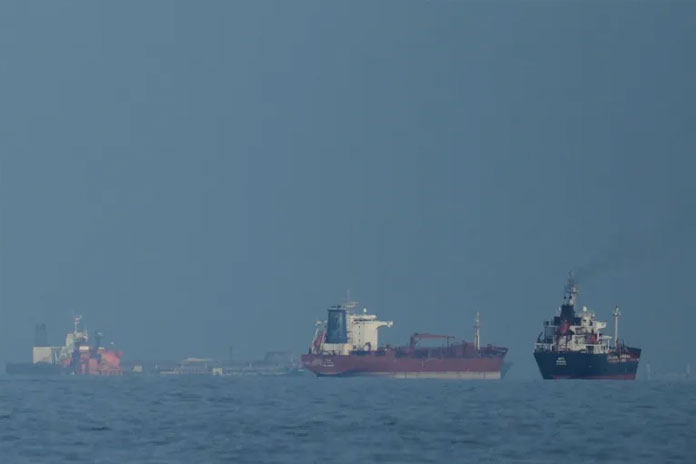
The strikes came after repeated attacks on vessels in and around Hormuz, a waterway that carries a major share of the world’s oil trade. Any disruption there can quickly affect energy supplies, shipping routes, and global markets. That is why even a limited exchange of fire in this area has consequences far beyond West Asia.
Iran and the United States have been locked in a cycle of attacks and retaliation for weeks, despite efforts to reduce tensions through indirect diplomacy. Reuters reported that the latest violence has again weakened an interim understanding meant to end the war and stabilize the region.
The Gulf states have not been direct combatants in the main conflict, but they are being pulled into the crisis because of their proximity to the Strait of Hormuz and their role in regional security. Bahrain and Kuwait have already faced alerts and air defense activity during earlier rounds of escalation, showing how quickly the violence can widen.
The risk now is not only military but also economic. The Strait of Hormuz is one of the most important energy chokepoints in the world, and even temporary disruption can raise oil prices and unsettle markets. That makes the conflict especially dangerous for countries that depend on imported energy and stable sea routes.
Diplomatically, the situation remains fragile. Talks between Washington and Tehran have not produced a durable breakthrough, and the latest strikes make any near-term settlement harder to achieve. For now, the region is caught between military escalation and stalled negotiations, with little sign of immediate de-escalation.