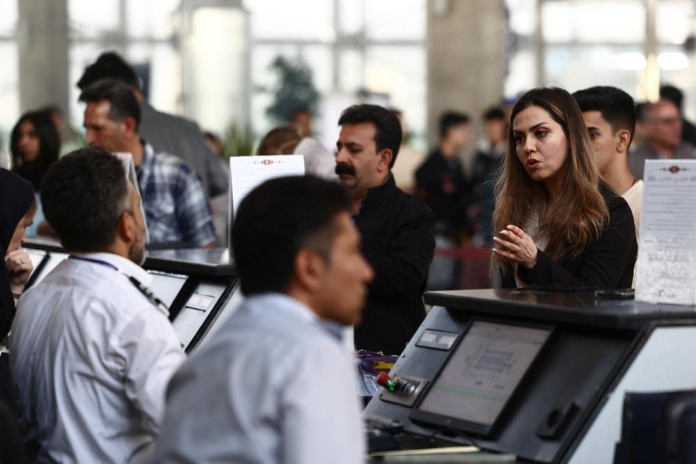
Iran has resumed commercial passenger flights from Tehran’s main international airport for the first time since the outbreak of conflict with the United States and Israel two months ago. Civilian services restarted at Imam Khomeini International Airport on Saturday, April 25, 2026, marking a major step toward normalizing air travel after a prolonged shutdown linked to regional tensions.
What changed at Tehran’s airport?
For roughly two months, Iran effectively suspended most civilian flights as its airspace came under pressure from military activity and security concerns. The halt followed a wave of U.S. and Israeli strikes that began in late February 2026, which led to the closure or strong restriction of regular commercial operations across the country.
Now, authorities have allowed commercial flights to resume from Tehran’s primary international hub, indicating that the immediate security environment has eased enough to permit the return of scheduled passenger services.
Which routes restarted first?
Early reports show that the first returning flights from Tehran’s international airport were mostly short‑haul and regional routes. Key destinations included:
- Istanbul, Türkiye
- Muscat, Oman
- Medina, Saudi Arabia
Flight‑tracking data confirmed multiple departures from Imam Khomeini Airport to Istanbul on the morning of April 25, suggesting that Turkey–Iran routes are among the first being restored. The return of flights to the Gulf and Saudi Arabia also reflects a cautious but visible reopening of Iran’s southern and western airspace.
Why this resumption matters
The restart of Iran commercial flights from Tehran’s international airport is more than just an aviation update; it signals a broader shift in the region’s security and diplomatic climate.
After about two months of conflict‑related closures, the move suggests that:
- The risk level in civilian airspace has decreased enough to allow regular flights.
- Iran and its partners are gradually restoring economic and transport links that were frozen during the crisis.
- Confidence in Iran’s aviation sector is beginning to recover, which is vital for tourism, trade, and people‑to‑people travel.
For ordinary Iranians and foreign travelers, the resumption means that journeys through Tehran’s main international airport—once a major regional hub—can once again fit into travel plans without the uncertainty of sudden shutdowns.
Context: Conflict and ceasefire
The suspension of flights began after U.S. and Israeli strikes on Iranian targets in late February 2026, which triggered a series of military and politica
Iran Resumes Commercial Flights from Tehran’s International Airport After Two‑Month Conflict Suspension
Iran has resumed commercial passenger flights from Tehran’s main international airport for the first time since the outbreak of conflict with the United States and Israel two months ago. Civilian services restarted at Imam Khomeini International Airport on Saturday, April 25, 2026, marking a major step toward normalizing air travel after a prolonged shutdown linked to regional tensions.
What changed at Tehran’s airport?
For roughly two months, Iran effectively suspended most civilian flights as its airspace came under pressure from military activity and security concerns. The halt followed a wave of U.S. and Israeli strikes that began in late February 2026, which led to the closure or strong restriction of regular commercial operations across the country.
Now, authorities have allowed commercial flights to resume from Tehran’s primary international hub, indicating that the immediate security environment has eased enough to permit the return of scheduled passenger services.
Which routes restarted first?
Early reports show that the first returning flights from Tehran’s international airport were mostly short‑haul and regional routes. Key destinations included:
- Istanbul, Türkiye
- Muscat, Oman
- Medina, Saudi Arabia
Flight‑tracking data confirmed multiple departures from Imam Khomeini Airport to Istanbul on the morning of April 25, suggesting that Turkey–Iran routes are among the first being restored. The return of flights to the Gulf and Saudi Arabia also reflects a cautious but visible reopening of Iran’s southern and western airspace.
Why this resumption matters
The restart of Iran commercial flights from Tehran’s international airport is more than just an aviation update; it signals a broader shift in the region’s security and diplomatic climate.
After about two months of conflict‑related closures, the move suggests that:
- The risk level in civilian airspace has decreased enough to allow regular flights.
- Iran and its partners are gradually restoring economic and transport links that were frozen during the crisis.
- Confidence in Iran’s aviation sector is beginning to recover, which is vital for tourism, trade, and people‑to‑people travel.
For ordinary Iranians and foreign travelers, the resumption means that journeys through Tehran’s main international airport—once a major regional hub—can once again fit into travel plans without the uncertainty of sudden shutdowns.
Context: Conflict and ceasefire
The suspension of flights began after U.S. and Israeli strikes on Iranian targets in late February 2026, which triggered a series of military and political developments across the Middle East. In response, Iran and its allies adjusted their defenses and airspace policies, leading to the temporary grounding or rerouting of many civilian flights.
With the recent partial easing of tensions and a ceasefire between Iran and the United States, authorities have started to lift restrictions. The return of flights from Tehran’s international airport is part of a broader effort to revitalize civilian infrastructure and restore normal life in the country.
Looking ahead
While the resumption of flights from Tehran’s international airport is a positive sign, experts note that the situation in the region remains sensitive. The pace of expansion—adding more destinations and increasing flight frequency—will likely depend on how stable the ceasefire and regional security conditions stay in the coming weeks.
At the same time, airlines and passengers may see further adjustments to route planning, security checks, and insurance policies as the aviation sector adapts to the new environment.
For now, the simple fact that Iran resumes commercial flights from Tehran’s international airport after two months of conflict‑related suspension is a clear signal that the region is moving, however cautiously, toward a more predictable and open phase of air travel once again.