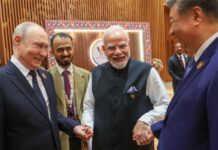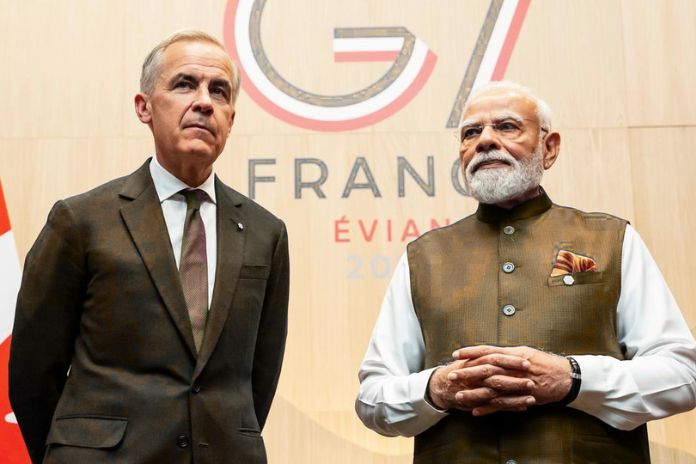
Canada and India are pushing to finalise their Comprehensive Economic Partnership Agreement (CEPA) by the G20 leaders’ summit in mid‑December, Canadian Prime Minister Mark Carney has said. He added that Prime Minister Narendra Modi is expected to visit Canada around the time of the summit, giving both leaders a high‑profile moment to announce progress on the pact.
Speaking on the sidelines of the UN General Assembly in New York, Carney described the trade talks as being in “good progress” and recalled that he and Modi had committed last year to try to conclude negotiations by this year’s G20. The summit is scheduled for December 14–15 in Miami, and while exact dates for Modi’s Canada trip are not yet fixed, Ottawa says it is “looking forward to hosting him”.
The CEPA negotiations were formally launched in late 2025, with terms of reference signed during Carney’s New Delhi visit in March 2026. Both countries have set an end‑2026 deadline for wrapping up the deal and aim to more than double two‑way trade in goods and services to about $50 billion (around C$70 billion) by 2030.
Key areas under discussion include easier market access for goods such as pharmaceuticals, textiles, engineering products and agricultural items, as well as greater opportunities in services like IT, telecom and professional sectors. Strategic cooperation on energy, critical minerals, nuclear fuel supply and clean technology is also a major focus, with both sides seeing the deal as a way to diversify supply chains and reduce dependence on other markets.
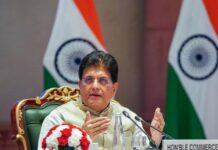
The fourth round of CEPA talks was held in Mumbai on September 19–20, after which India’s Commerce Minister Piyush Goyal called the next 90 days “defining” for the relationship and announced that the next round would begin on October 5. Canadian Trade Minister Maninder Sidhu has said Ottawa is “very, very optimistic” about concluding the agreement by year‑end and is planning a trade mission to India next month to deepen business links.
Targeting the G20 allows both governments to use the summit’s global spotlight to signal that their ties have fully reset after a period of diplomatic strain. A political “conclusion” of talks in December could be followed by final technical work and eventual signing, paving the way for lower tariffs, smoother services trade and stronger investment flows between the two democracies.