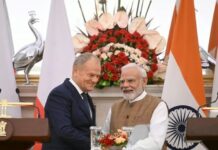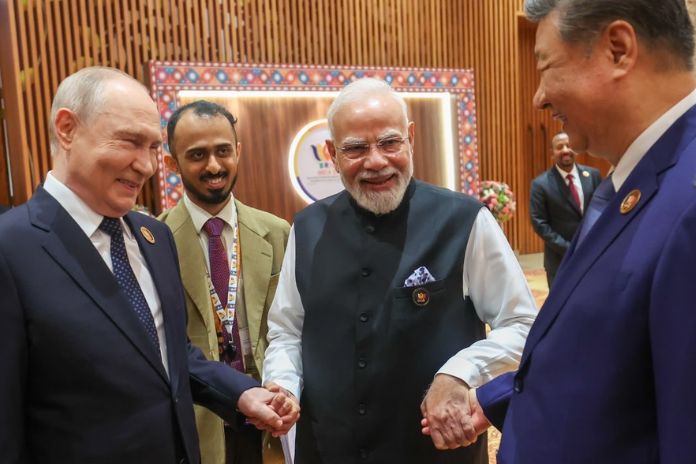
The BRICS New Delhi Declaration has called for stronger multilateralism, greater representation for developing countries and deeper cooperation among member nations. The declaration was adopted during the 18th BRICS Summit, hosted by India in New Delhi on September 12–13, 2026.
The document reflects the grouping’s push for a more inclusive and balanced global system. BRICS leaders said developing countries should have a greater role in international decision-making and in institutions that shape global economic and political policies.
India is hosting the summit under the theme “Building for Resilience, Innovation, Cooperation and Sustainability.” The agenda includes global governance, trade, technology, energy security, food security and sustainable development.
Call for dialogue and diplomacy
The declaration urges countries to use dialogue and diplomacy to resolve conflicts. It stresses the importance of peaceful solutions, respect for national sovereignty and adherence to the principles of the United Nations Charter.
The call comes at a time when conflicts and tensions in West Asia, Europe and other regions are affecting global peace, energy supplies and international trade. BRICS leaders have reiterated that military confrontation should not replace diplomatic efforts to address global disputes.
Push for economic cooperation
Economic and financial cooperation is a major part of the New Delhi Declaration. BRICS countries want to expand trade and investment among members while making cross-border transactions faster and more affordable.
The grouping is also supporting greater use of national currencies in trade and stronger cooperation in digital payment systems. These measures could reduce transaction costs and limit dependence on traditional international payment channels.
Other economic priorities include resilient supply chains, development finance, support for small businesses and greater cooperation in digital trade.
Focus on energy, technology and AI
The declaration also highlights the importance of cooperation in energy security, technology and artificial intelligence. Member countries are expected to work together on innovation, digital infrastructure, financial technology and responsible use of AI.
Energy cooperation has gained importance because geopolitical tensions and disruptions in supply chains can affect fuel prices and economic stability. BRICS nations are also focusing on food security, healthcare, climate resilience and disaster management.
Technology cooperation is being viewed as a way to improve productivity, strengthen public services and support inclusive economic growth.
India’s role in the expanded BRICS
India assumed the BRICS chairship on January 1, 2026. The New Delhi summit is taking place as the group expands its cooperation among its 11 members, partner countries and outreach nations.
The summit’s discussions are based on three broad areas: political and security cooperation, economic and financial cooperation, and cultural and people-to-people exchanges.
Prime Minister Narendra Modi has also called for urgent reforms in global institutions, including the United Nations Security Council. India has positioned the summit as an opportunity to give the Global South a stronger voice in international affairs.
Why the declaration matters
The New Delhi Declaration shows BRICS’ ambition to become a stronger platform for political coordination and practical cooperation. Its priorities include a fairer global order, peaceful conflict resolution, easier trade, secure energy supplies and responsible technological development.
The declaration also underlines India’s central message as BRICS chair: global challenges require cooperation, resilience and more representative international institutions.