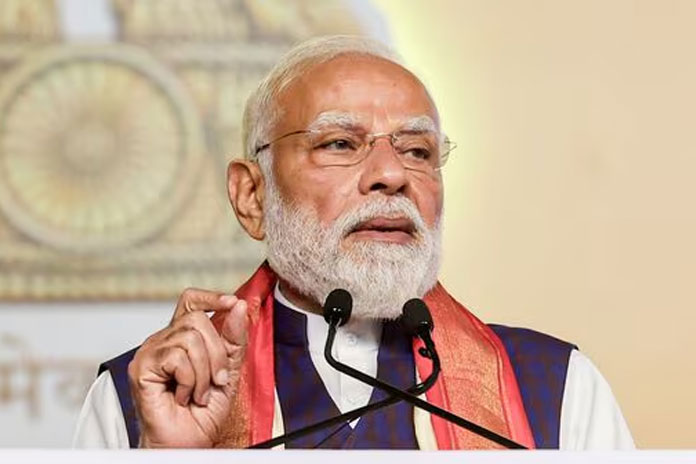
Prime Minister Narendra Modi has begun a four-day, two-nation visit to Central Asia, with stops in Uzbekistan and Kyrgyzstan from August 29 to September 1, 2026. The trip is aimed at strengthening India’s strategic partnerships in the region, expanding cooperation on security and connectivity, and reinforcing people-to-people ties rooted in shared history.idsa+3
Itinerary at a glance
The first leg of the visit is a bilateral trip to Uzbekistan (August 29–30) at the invitation of President Shavkat Mirziyoyev. In Tashkent, Modi will hold delegation-level talks to review and deepen cooperation across trade and investment, defence, digital connectivity, energy, education, and cultural exchanges.pmindia.gov+3
As part of the focus on historical and civilisational links, the Prime Minister is scheduled to visit the Shastri Memorialand the Mahatma Gandhi Centre at Tashkent State University of Oriental Studies. These engagements highlight India’s long-standing relationship with Uzbekistan and the role of education and cultural diplomacy in bilateral ties.pmindia.gov+2
From Tashkent, Modi will travel to Bishkek, Kyrgyzstan (August 31–September 1) to attend the 26th Shanghai Cooperation Organisation (SCO) Summit at the invitation of President Sadyr Zhaparov. Alongside the summit, he will participate in the opening ceremony of the 6th World Nomad Games, an event that showcases the region’s nomadic heritage and cultural traditions.pmindia.gov+1
Strategic priorities: Security, connectivity, opportunity
In his departure statement, PM Modi said he is confident that the diplomatic engagement will “strengthen India’s strategic partnerships in Central Asia and deepen the civilisational connection with the region.” This underscores New Delhi’s broader push to treat Central Asia as part of its “extended neighbourhood” and a key pillar of its foreign policy.
At the SCO Summit, India’s agenda centres on three themes: Security, Connectivity, and Opportunity. A major focus is promoting a terror-free region and stronger regional cooperation against extremism, radicalisation, and cross-border terrorism. The SCO platform allows India to coordinate with member states on intelligence-sharing, counter-terrorism mechanisms, and joint efforts to stabilise Afghanistan and its neighbourhood.
Connectivity is another priority. Discussions are expected to advance projects and frameworks that better link India with Central Asian markets and resources, complementing initiatives such as the International North–South Transport Corridor and connectivity efforts linked to Chabahar. Enhanced transport, digital, and energy links can help Indian businesses access new markets while supporting India’s energy security.
High-level bilateral meetings, including with Putin
A significant element of the Kyrgyzstan leg is a bilateral meeting with Russian President Vladimir Putin on the sidelines of the SCO Summit. This follows External Affairs Minister S. Jaishankar’s recent two-day visit to Moscow and reflects ongoing high-level engagement between New Delhi and Moscow amid complex global geopolitics.
The India–Russia talks are likely to touch on defence cooperation, energy supplies, trade in national currencies, and coordination on regional security issues. For India, maintaining a stable working relationship with Moscow remains important even as it diversifies partnerships and deepens ties with other major powers.
Why Central Asia matters for India
Central Asia is strategically important for India for several reasons:
- Energy and resources: The region holds significant hydrocarbon reserves and critical minerals, which can support India’s long-term energy and industrial needs.
- Trade routes: Stronger ties can help India develop alternative trade corridors to Eurasia, reducing dependence on traditional routes and improving resilience.
- Security: Instability in and around Afghanistan directly affects regional security. Closer cooperation with Central Asian states helps India counter terrorism, drug trafficking, and extremist networks.
- Diplomatic balance: Engaging Central Asia allows India to broaden its diplomatic footprint beyond traditional partners and build coalitions on issues like terrorism, climate, and multilateral reform.
What to watch next
Over the next 48 hours, key takeaways will include:
- Joint statements or agreements from the India–Uzbekistan talks in Tashkent.
- India’s position statement at the SCO Summit in Bishkek, especially on terrorism and connectivity.
- Outcomes of the Modi–Putin meeting, including any signals on defence, energy, or trade.
- Announcements related to cultural, educational, and people-to-people initiatives, such as scholarships, university partnerships, and tourism promotion.
The visit marks another step in India’s sustained outreach to Central Asia, blending strategic diplomacy, economic interests, and soft power. If New Delhi can convert these engagements into concrete projects and agreements, the trip could significantly shape India’s role in the region over the coming years.