Focus key phrase:
Slug:
Meta description:
Keywords:
Article
India is setting an ambitious target of 100 GW of pumped storage capacity by 2035-36 as the global hydropower sector increasingly turns to “water battery” systems to store renewable energy and support the power grid.
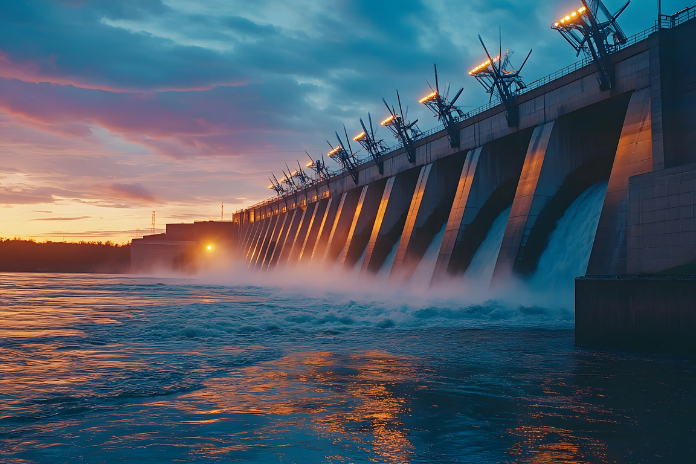
A new global outlook on hydropower shows that pumped storage is becoming a key part of the clean energy transition. The technology works by using excess electricity to pump water to a higher reservoir. When power demand rises, the stored water is released to generate electricity. This helps balance supply and demand, especially as more solar and wind power is added to electricity grids.
The report says global hydropower capacity continues to expand, with pumped storage emerging as one of the fastest-growing segments. It also notes that China remains the biggest player in the sector, with more than 300 GW of hydropower under construction. Of this, 218 GW is pumped storage, showing the scale at which Beijing is investing in long-duration energy storage.
India, meanwhile, is working to strengthen its own position in this area. The country’s 100 GW target reflects its need for flexible power infrastructure as renewable energy capacity grows rapidly. Pumped storage can help reduce pressure on the grid during peak demand hours and improve the reliability of electricity supply.
This shift comes at a time when countries are looking for large-scale storage solutions that can support the transition away from fossil fuels. Unlike batteries that store electricity for shorter periods, pumped storage can provide power for longer durations and is well suited to handling fluctuations in renewable generation.
For India, the challenge will be to speed up project approvals, improve financing, and ensure smoother land and environmental clearances. Developing such projects often takes time because they require suitable terrain, water availability, and major infrastructure investment.
The growing interest in pumped storage also points to a broader change in how governments and power companies think about hydropower. It is no longer seen only as a source of electricity generation, but also as a strategic tool for energy storage and grid stability.
With this move, India is signaling that it wants to play a bigger role in the next phase of the clean energy transition. But China’s lead shows that the global race in hydropower and storage is already well underway.