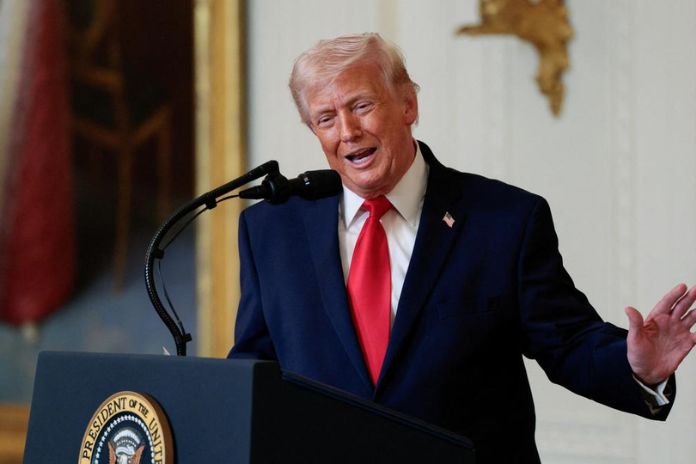
In a landmark development that could reshape Middle East geopolitics, US President Donald Trump and Iranian President Masoud Pezeshkian have signed a 14-point memorandum of understanding (MoU) to end nearly four months of war between the two nations. The agreement, signed electronically on June 17, 2026, immediately takes effect and marks the first time a US and Iranian president have signed a deal since 1979.
Immediate Military Ceasefire Takes Effect
The MoU mandates an immediate and permanent ceasefire across all fronts, including conflict zones in Lebanon. The US, Iran, and their allied forces must halt all military operations immediately and pledge not to attack or threaten one another. The ceasefire extends for 60 days while final truce negotiations proceed, with both sides committing to respect territorial integrity and refrain from interfering in internal affairs.
Trump warned that the US would resume military attacks if Iran violated the agreement but expressed hope that the 60-day negotiation period would bring lasting peace to the Middle East and lower oil prices.
Strait of Hormuz Reopens Within 30 Days
One of the most critical provisions addresses the Strait of Hormuz, the crucial oil trade route that has been effectively closed since the conflict began. The United States will begin removing its naval blockade immediately and fully end it within 30 days. Iran has pledged to ensure safe, de-mined passage for all vessels through the Strait “no charge“.
The reopening of Hormuz is expected to significantly impact global energy markets, with oil prices potentially declining as supply chains normalize.
Sanctions Relief: Conditional and Phased
The deal includes comprehensive sanctions relief, but with important conditions. All UN Security Council and unilateral US sanctions will be lifted after a final peace deal is reachedfollowing the 60-day negotiation period.
However, Iran receives an immediate 60-day exemption on oil and petrochemical sales to generate vital revenue during negotiations. Iranian assets will be unfrozen, and the country gets full access to financial resources, including $24 billion in blocked funds (half released before negotiations begin, half after).
$300 Billion Reconstruction Fund: What It Really Means
The MoU requires the United States and regional partners to create a comprehensive reconstruction plan for Iran with a minimum budget of $300 billion dedicated to “reconstruction and economic development”.
However, there’s a crucial detail: Washington insists it faces no commitment to contribute financially. The fund will be US-led but funded primarily by allies and regional partners. The US must present the plan, but payment obligations remain with other nations.
Context: Four Months of Conflict
The war began on February 28, 2026, when the US and Israel launched attacks on Iran, assassinating Supreme Leader Ayatollah Ali Khamenei and key military commanders. The conflict killed over 7,000 people (mostly in Iran and Lebanon), disrupted global energy supplies, and renewed inflationary pressures worldwide.
What Happens Next?
The 60-day negotiation period (starting June 17, 2026) will focus on reaching a final comprehensive peace agreement. This deal must address:
- Permanent end to all hostilities
- Full nuclear program negotiations
- Complete sanctions removal
- Detailed reconstruction fund implementation
- Long-term security guarantees
The agreement can be extended with mutual consent if negotiations require additional time.
Global Significance
This historic agreement represents a potential turning point in US-Iran relations, which have been hostile since the 1979 Iranian Revolution. The deal’s success could stabilize the Middle East, reduce global energy volatility, and open new diplomatic channels between Washington and Tehran.
Iranian leaders celebrated the signing as a breakthrough, while Trump emphasized the potential for peace and lower prices. The international community now watches closely to see whether the 60-day negotiations will deliver a lasting peace agreement or whether the fragile ceasefire will hold.