The United States and Iran have reached a memorandum of understanding to halt more than 100 days of open hostilities, with mediators from Pakistan and Qatar arranging a formal signing in Geneva on Friday, June 19. Iranian officials said the agreement includes an immediate suspension of military operations on all fronts, explicitly citing Lebanon, while US leaders announced steps to lift maritime restrictions that have disrupted shipping through the Strait of Hormuz.
Iran’s Supreme National Security Council said the MOU calls for an immediate and permanent end to fighting and the complete removal of the naval blockade on Iranian ports. Tehran’s deputy foreign minister for legal and international affairs said further that final negotiations on a comprehensive settlement would be postponed until the United States fulfilled its commitments under the MOU, including the lifting of maritime restrictions and the release of frozen Iranian assets. Iran’s state-linked reports said the draft MOU lists 14 points and that roughly half of frozen funds would need to be released before final talks proceed.
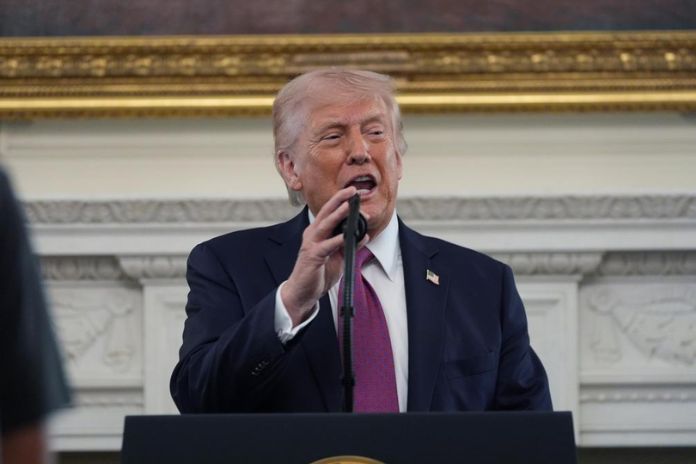
President Donald Trump announced the agreement on his social platform, declaring the Strait of Hormuz would reopen and ordering the removal of the US naval blockade. Vice‑President JD Vance welcomed the ceasefire as potentially ushering in a “new era” for the region and reiterated US resolve to prevent Iran from acquiring a nuclear weapon. Pakistan’s prime minister, who had been coordinating indirect talks, publicly announced the deal first and credited Qatar, Saudi Arabia and Türkiye for helping create the conditions for agreement.
Details reported by Iranian state sources and regional media include immediate cessation of hostilities, withdrawal commitments for US forces stationed near Iranian waters, suspension of certain oil sanctions, and the release of up to $24 billion in frozen Iranian assets over a 60‑day negotiation period toward a final accord. The draft reportedly excludes Iran’s missile programme and its support for regional groups from the immediate negotiating agenda. Al Jazeera and other independent outlets said they could not independently verify every item in those reports.
Key questions remain about implementation and verification. The timeline and mechanisms for releasing frozen assets, the exact schedule and monitoring of any US withdrawals, and the procedures to ensure maritime freedom through the Strait of Hormuz are not publicly confirmed. The deal’s provisions for preventing renewed hostilities and handling disputes were not detailed in initial statements, leaving open how compliance will be certified and what recourse either side will have if obligations are breached.
The agreement, if fully implemented, would ease an acute global energy and shipping crisis caused by months of confrontations. It would also create space for technical talks that mediators said will take place this week ahead of the Geneva signing. Regional reactions will be central: Israel, Lebanon, Gulf states and other neighbours will assess security implications and may press for clarifications or additional guarantees. How those actors respond could determine whether the MOU stabilises the region or simply pauses fighting while deeper tensions remain unresolved.
Officials said formal technical meetings are scheduled this week, culminating in the signing ceremony on June 19 in Switzerland. Observers will watch closely for the text of the memorandum, the exact sequencing of measures such as asset transfers and maritime reopenings, and statements from regional capitals that helped mediate the accord. Until the MOU’s terms are publicly verified and implemented, scepticism will persist about both the deal’s depth and its durability.