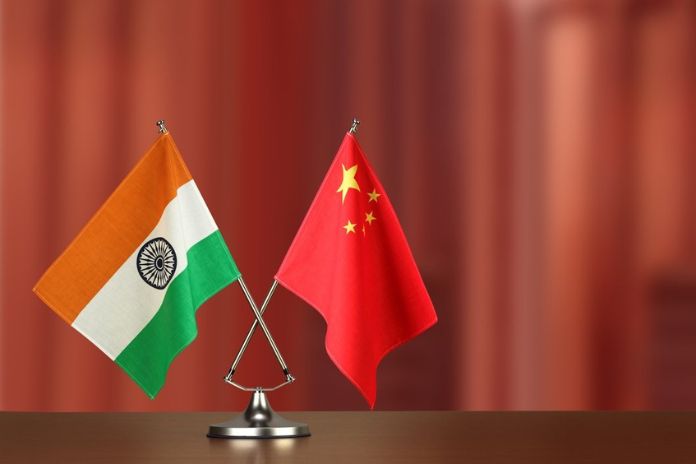
India has strongly rebuffed China’s repeated attempts to impose “fictitious” names on places in Arunachal Pradesh, labeling them as mischievous and futile efforts to challenge territorial realities. This latest backlash from New Delhi comes after Beijing announced new naming conventions for locations in the strategically vital northeastern state, coinciding with the establishment of a new county in Xinjiang near the Indian border.
Strong Diplomatic Rebuttal
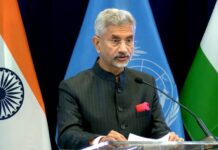
External Affairs Ministry spokesperson Randhir Jaiswal issued a pointed response, asserting that such “creative naming” by China will neither alter facts on the ground nor affect Arunachal Pradesh’s status as an inseparable part of India. “Assigning invented names to places in Arunachal Pradesh does not change the reality that this is an integral and inalienable part of India,” Jaiswal emphasized. India views these actions as deliberate provocations designed to undermine bilateral peace initiatives along the Line of Actual Control (LAC).
This is not an isolated incident. China has periodically resorted to renaming places in Arunachal Pradesh to bolster its territorial claims, referring to the region as “Zangnan” or “South Tibet.” Similar moves in May 2025, when Beijing renamed 27 locations, prompted identical dismissals from India, which called them “vain and preposterous.” New Delhi consistently maintains that Arunachal Pradesh’s sovereignty is non-negotiable, backed by democratic governance, infrastructure projects, and the presence of elected representatives.
Roots of the Dispute
The Arunachal Pradesh controversy traces back to historical ambiguities along the 3,488 km LAC, which separates India and China. Tensions escalated after the 1962 Sino-Indian War, where China occupied Aksai Chin but withdrew from Arunachal following a ceasefire. Beijing, however, continues to assert claims over the area, citing alleged historical ties to Tibet. India rejects this narrative outright, pointing to colonial-era agreements like the 1914 Simla Convention, which delineated the McMahon Line as the de facto border—though China never ratified it.
Recent developments have intensified the standoff. China’s new administrative county in Xinjiang encroaches closer to Arunachal’s western fringes, signaling heightened militarization. Both nations have ramped up border infrastructure: India with roads, bridges, and the advanced Sela Tunnel, while China builds villages and airfields. These parallel developments fuel mutual suspicions, despite high-level talks aimed at disengagement post-2020 Galwan clashes.
Implications for Bilateral Ties
India’s rejection underscores a firm “no-nonsense” stance under current leadership, prioritizing national integrity amid global geopolitical shifts. While diplomatic channels remain open—evident in recent border consultations—the renaming gambit risks derailing progress. Analysts see it as psychological warfare, aimed at domestic audiences in China and international opinion.
For Arunachal’s residents, life continues amid the rhetoric. The state, rich in biodiversity and hydropower potential, benefits from central government investments like the ₹1.5 lakh crore Vibgyor Scheme for development. Local leaders, including Chief Minister Pema Khandu, routinely affirm loyalty to India, countering external narratives.
Path Forward
India urges China to focus on constructive dialogue rather than “mischievous attempts” that erode trust. With ongoing military talks at the Corps Commander level, de-escalation remains key. As New Delhi fortifies its positions, the message is clear: Arunachal Pradesh is Indian soil, and no amount of renaming will rewrite that truth.
This episode highlights enduring LAC frictions but also India’s unwavering resolve. Sustainable peace demands mutual respect for sovereignty, not unilateral provocations.