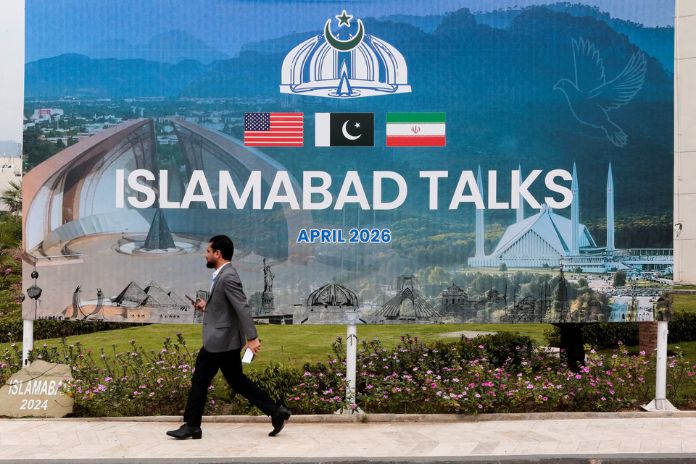
High-stakes ceasefire negotiations between the United States and Iran in Islamabad, Pakistan, have broken down without a breakthrough. After over 21 hours of direct talks spanning two days, US Vice President JD Vance announced that Tehran rejected Washington’s core demands, including limits on nuclear development.
Talks Timeline and Extension
The discussions kicked off on April 10, 2026, at the Serena Hotel, hosted by Pakistan’s Prime Minister Shehbaz Sharif. Initially mediated, they shifted to face-to-face sessions between US and Iranian teams. Iranian media reported extensions into a second day, but by April 11, Vance confirmed no accord, calling it America’s “best and final offer.” Sessions paused amid reports of heated exchanges, with no resumption confirmed as of April 12.
These talks followed a fragile two-week ceasefire agreed on April 8, aimed at reopening the Strait of Hormuz. That truce, mediated by Pakistan, came after weeks of escalating conflict involving US strikes and Iranian responses. Yet, mistrust lingered, pushing delegations back to Islamabad for a permanent deal.
Key Figures Involved
The US delegation featured Vice President JD Vance, special envoy Steve Witkoff, and Jared Kushner. Iran sent Parliament Speaker Mohammad Bagher Ghalibaf and Foreign Minister Abbas Araghchi. Pakistan facilitated bilateral meetings before stepping back for direct dialogue. President Donald Trump monitored from afar, claiming US naval operations had “cleared” Hormuz mines while downplaying the need for a deal.
Core Disputes
Iran balked at US terms curbing its nuclear program and demanded full sanctions relief plus regional troop withdrawals. The Strait of Hormuz emerged as a flashpoint—Iran seeks oversight, while the US insists on unrestricted navigation for global oil flows. Pakistan floated joint patrols, but disagreements persisted. Broader issues like Israel’s Lebanon strikes stayed off the table, with no Israel involvement.
Tensions boiled over in reported shouting matches, underscoring deep divides. Iranian outlets cited “excessive US demands,” while Vance stressed Tehran’s inflexibility. Trump warned of escalated action sans agreement, framing the US as already victorious.
Regional Fallout
The failure ripples across West Asia, where Israel continues hits on Hezbollah, unlinked to these talks. Global oil markets watch Hormuz closely, as blockades threaten 20% of supply. Pakistan’s mediation role bolstered its diplomatic clout, but the impasse raises fears of renewed hostilities.
World leaders urged restraint, praising the initial truce. Yet, with no timeline for resumption, the Israel-US-Iran war risks reignition. Analysts eye backchannel efforts, but optimism fades.