The ongoing Middle East war, sparked on February 28, 2026, has triggered widespread curbs on free speech and assembly, alarming UN Human Rights Chief Volker Türk. He highlighted a “sharp securitisation of civic space” with over 3,000 arrests in the first month alone, deepening fear in a region already strained by conflicts.
Mass Arrests Across Nations
Iran tops the list with nearly 2,350 detentions on vague charges like terrorism, dissent, or espionage. Many face rushed trials, poor jail conditions, and execution threats—even children. Türk called this “outrageous,” demanding an immediate halt to executions and due process for all.
Gulf states show similar patterns. Bahrain reported a death in custody; Qatar held 313 people; UAE detained 109 with fast-track trials; Kuwait issued a decree shielding military prestige. Targets include those filming incidents, posting on social media, or expressing enemy sympathy.
Jordan arrested at least four critics. In Israel’s Occupied West Bank, 200 Palestinians were held for “incitement” via social media, amid rising raids and assaults.
Military and Humanitarian Toll
Recent strikes hit a tanker in Qatari waters (no injuries or spills), Kuwait Airport fuel tanks, Bahrain civilian areas, and Tehran sites. These escalate tensions in the US-Israel-Iran conflict.
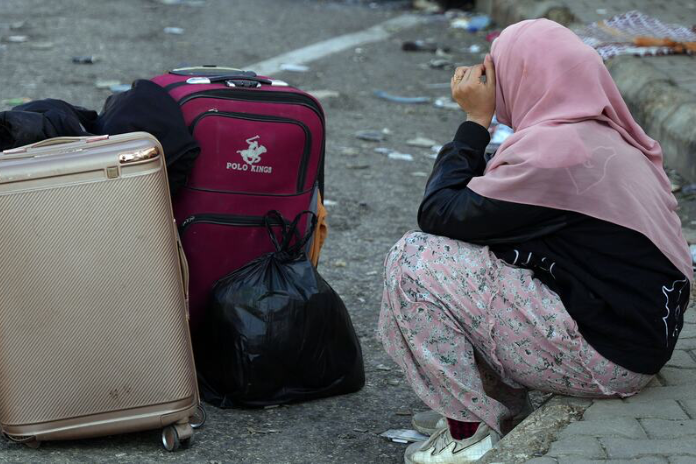
Lebanon saw over 202,400 flee to Syria—3,100 pregnant women among them—into jammed shelters lacking food, medicine, and sanitation. Abuse risks rise, with UNFPA noting funding shortages could shutter clinics.
Türk’s Urgent Call
States must uphold international law on expression rights, allowing critical views on public issues without arbitrary punishment. Restrictions, if any, need to be necessary, proportional, and brief—not blanket bans.
Türk also flagged media curbs, like Israeli military censorship and US threats to broadcasters critical of the war. He stressed prioritizing Iranian rights amid the chaos.
This repression chills public debate when it’s needed most. As the war grinds on into April 2026, protecting voices could aid peace efforts.