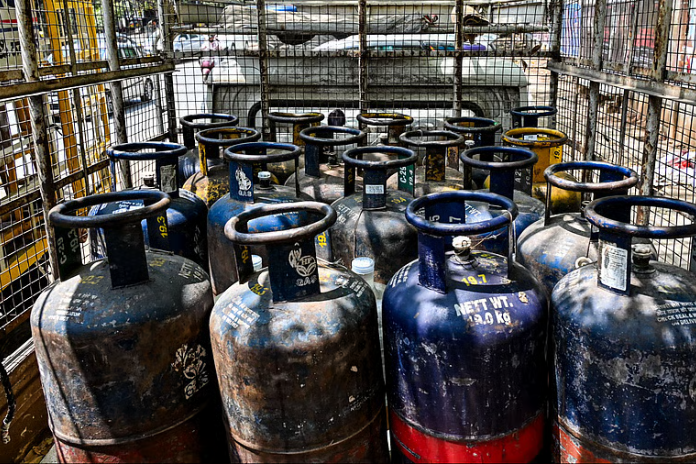
India’s aviation and hospitality sectors are reeling from a sharp fuel crisis. On April 1, 2026, jet fuel (ATF) prices in Delhi soared over 114% to a historic ₹2.07 lakh per kiloliter. This dramatic jump, from ₹96,638 earlier, marks the first time ATF crossed ₹2 lakh. At the same time, commercial LPG for 19-kg cylinders increased by ₹195.50, hitting ₹2,078.50 in Delhi and ₹2,208 in Kolkata. These hikes stem from global crude oil volatility tied to escalating West Asia conflicts.
Surge in Jet Fuel Costs
The price revision hit major cities hard. Delhi saw the steepest rise at ₹2,07,341 per kl. Kolkata recorded ₹2,05,953, Mumbai ₹1,94,969, and Chennai ₹2,14,598. This follows a 5.7% increase on March 1 and reflects broader trends in oil marketing companies’ fortnightly adjustments. Fuel now accounts for about 40% of airline operating costs, squeezing margins already hit by rising demand.
Airlines responded swiftly. Air India introduced fuel surcharges in phases from March 2026—starting at ₹399 for domestic flights. This adds to passenger burdens amid post-pandemic recovery. Other carriers may follow, as the jet fuel prices doubled scenario threatens profitability and route expansions.
Commercial LPG Squeeze
Commercial LPG users, like hotels and eateries, face compounded woes. The ₹195.50 hike builds on a ₹114.50 rise from March 1. An ongoing LPG shortage has worsened, with supply chains strained by the same geopolitical pressures. In Kolkata, prices reached ₹2,208 per cylinder, impacting small businesses reliant on affordable cooking fuel.
Root Causes: West Asia Tensions
The crisis traces to disruptions in the Strait of Hormuz, a key oil route. Escalating conflicts in West Asia have spiked global crude prices, forcing Indian oil firms to pass on costs. India, importing 85% of its oil, remains vulnerable to such shocks. This isn’t isolated—earlier hikes in March signaled the trend.
Broader Economic Ripples
The jet fuel prices doubled event could stoke inflation, raise airfares, and hit logistics. Restaurants may pass costs to consumers, curbing spending. Government subsidies on domestic LPG shield households, but commercial users get no relief. Analysts warn of prolonged pain if tensions persist into 2026.
Experts urge diversification of energy sources and strategic reserves to buffer future shocks. For now, airlines and businesses brace for uncertainty.