On day 29 of the US–Israel war on Iran, the conflict has grown more intense, with new strikes launched inside Iran and fresh missile attacks on Israel. The Iran war US–Israel attacks entered its fourth week with no clear signs of a ceasefire, even as diplomats talk of a possible peace deal.
What happened on day 29
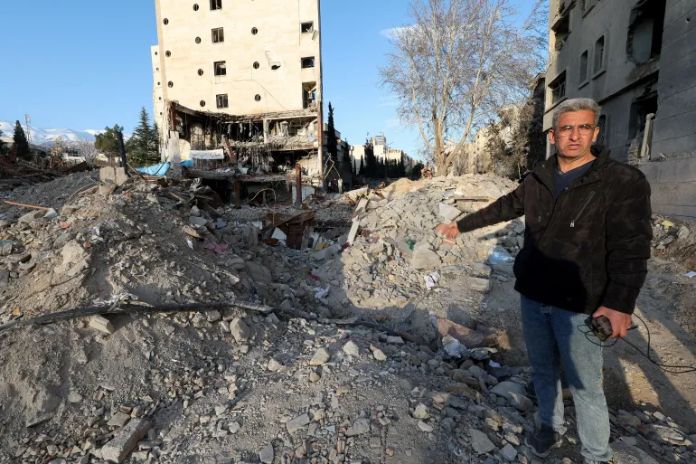
Israel carried out fresh strikes on what it describes as “regime targets” inside Iran, including nuclear‑linked sites and key industrial facilities. These strikes extended a campaign that began on 28 February 2026, aimed at degrading Iran’s military and strategic capabilities. Iranian authorities say the attacks have hit civilians and infrastructure, and warned that Tehran will respond with a “heavy price” for each offensive.
At the same time, Iranian missile barrages reached Israel once again. One strike hit a busy street in Tel Aviv, killing at least one man and injuring several others. The attacks underlined how the Iran war US–Israel attacks has spilled beyond the borders of Iran and turned Israel into a battlefield.
US stance and casualties
The United States continues to back Israel’s actions, with US officials stating that they aim to achieve their core objectives in Iran within the “next couple of weeks.” US Central Command reported that more than 300 American service members have been wounded since the start of the war, a sign of the growing toll on US forces in the region.
Washington argues that the strikes are meant to weaken Iran’s capacity to threaten allies and critical infrastructure. However, critics say the campaign risks deepening instability and could trigger a wider regional conflict. So far, the US–Israel war on Iran has already drawn in allies, proxies, and neighboring states.
Regional spillover
The Iran war US–Israel attacks has spread far beyond the two main sides. In Lebanon, Hezbollah has launched rocket fire towards Israel, while Israeli forces have struck targets in southern Lebanon in response. In Yemen, the Houthis have launched attacks linked to the broader conflict, accusing the US and Israel of aggression against Iran and its allies.
Inside the occupied West Bank and parts of Gaza, tensions have also flared, with Israeli operations continuing alongside everyday clashes. Human‑rights groups warn that the war’s wider spillover is worsening suffering for civilians across the region.
Diplomatic moves amid the fighting
Despite the ongoing violence, talks on a possible settlement are not completely off the table. US envoy Steve Witkoff has said he expects formal negotiations with Iran on a 15‑point peace framework this week. The proposal is said to cover issues such as Iran’s nuclear program, military activity, and regional behaviour.
However, many Iranians and outside observers remain skeptical. Residents in Tehran say they see the continued bombing as proof that the US and its allies are not serious about diplomacy. Iranian officials have repeatedly warned that the country will not accept a settlement that they see as a surrender of sovereignty.
Economic and strategic implications
The Iran war US–Israel attacks has already had a noticeable impact on global energy markets. Iran is a major oil producer, and sustained conflict in the Persian Gulf region can threaten shipping routes and oil supplies. Volatility in oil prices has increased, with analysts warning that a prolonged war could push energy costs higher worldwide.
Security experts also stress that the conflict opens the door for more frequent cyberattacks, missile exchanges, and proxy warfare across the Middle East. If the current escalation continues, the risk of drawing in additional regional powers or even further international actors grows.
Outlook ahead
As the Iran war US–Israel attacks enters its fourth week, there is still no clear path to a ceasefire. Both sides appear locked in a cycle of retaliation, with each new strike met by another response. Diplomatic efforts may keep running in the background, but for now, the focus remains on the battlefield.
For civilians in Iran, Israel, Lebanon, Yemen and the occupied Palestinian territories, the 29th day of the war is another day of fear, loss, and uncertainty. With no end in sight, the human cost of the conflict continues to climb, even as the world watches and debates what comes next.