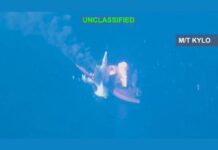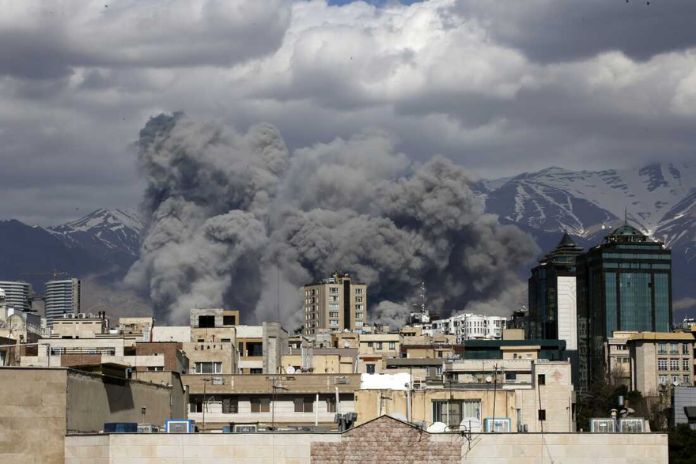
The Iran war has entered its 17th day on March 16, 2026, with Israeli forces launching fresh airstrikes on Tehran and other key sites. Explosions rocked the Iranian capital as air defenses scrambled to intercept hostile aircraft. Regional fallout intensified, including a drone-induced fire near Dubai’s airport that forced flight suspensions across the Gulf.
Escalating Military Clashes
Israel targeted military facilities in Isfahan and Hamadan, producing massive smoke plumes visible from afar. Iran’s Mehr news agency reported active engagement of “hostile objects” over Tehran, marking the third week of sustained operations. These strikes follow initial US-Israel actions around February 28, which reportedly eliminated high-profile Iranian figures, including Supreme Leader Khamenei.
Iran’s responses have included missile barrages on Israel and proxy attacks via Hezbollah in Beirut’s suburbs. The Iranian Red Crescent noted damage to a clinic and aid post from recent Israeli operations, underscoring the humanitarian toll. Casualties from the conflict now surpass 1,800, with early US strikes claiming over 200 lives in Iran alone.
Gulf Disruptions and Economic Ripples
A drone incident sparked a fire near Dubai International Airport, leading to temporary closures and limited flight resumptions. Similar threats hit Qatar, Iraq, and other Gulf states, heightening fears of broader involvement. Oil prices spiked beyond $104 per barrel as Iran threatened energy infrastructure in the Strait of Hormuz, a vital shipping chokepoint.
US President Donald Trump urged allies to help secure the strait, emphasizing regional stability. Dubai contained the airport blaze swiftly, but disruptions rippled through global markets. Hezbollah clashes in Lebanon added to the chaos, with blasts reported in Beirut’s southern areas.
Diplomatic Standoff
Trump expressed uncertainty about peace deals, claiming Iran’s military stands “decimated” while hinting at negotiation potential. Iran flatly rejected ceasefire talks, with Foreign Minister Abbas Araqchi vowing continued defense. The IRGC insisted much of its arsenal remains intact despite heavy losses.
Global powers watched warily—Russia and China voiced concerns, while the UN called for de-escalation. Trump’s administration rallied support to protect shipping lanes, but Tehran showed no signs of backing down. Early timelines trace the war’s spark to US-Israel “Epic Fury” operations targeting missile sites and leadership.
Broader Implications
This protracted conflict risks drawing in more actors, from Gulf monarchies to distant superpowers. Energy markets remain volatile, with every drone sighting or Hormuz threat fueling price jumps. For India and Asia, reliant on Gulf oil, the stakes are high—supply chain snarls could hit economies hard.
As day 17 unfolds, monitors urge official channels for verified updates amid fast-evolving reports. The war’s trajectory hinges on diplomatic breakthroughs or further escalations, with Tehran bombed and proxies activated across the region.