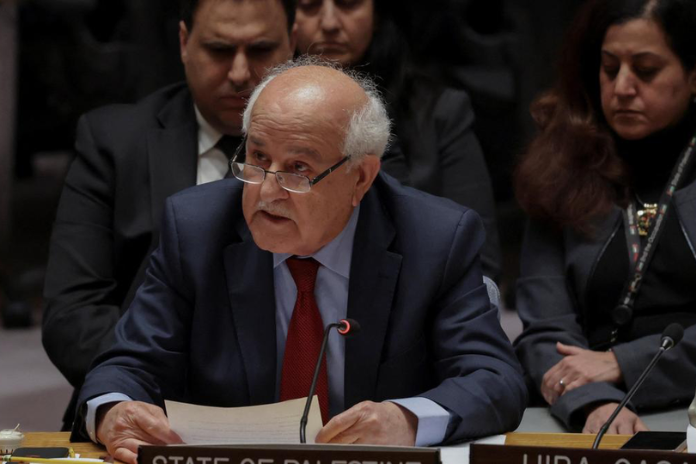
India has joined over 100 countries and organizations in a United Nations joint statement condemning Israel’s unilateral actions in the occupied West Bank. This development, reported on February 19, 2026, from New Delhi, signals a nuanced shift in India’s diplomatic posture on the Israeli-Palestinian conflict.
The statement, coordinated through the Palestinian Mission to the UN, denounces Israel’s plans to expand its presence in the West Bank as violations of international law. It demands immediate reversal of these measures, rejecting any annexation or demographic changes in territories occupied since 1967, including East Jerusalem. Signatories, including the Arab League, Organization of Islamic Cooperation (OIC), and European Union members, emphasize support for Palestinian self-determination.
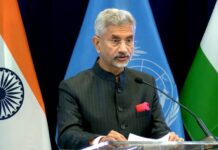
Notably, India was absent from an initial group of 85 signatories on February 17. However, New Delhi added its name ahead of critical UN Security Council discussions, moving beyond its earlier decision to skip a joint appearance with other nations at the UN.
India’s Strategic Stance
India’s endorsement aligns with its longstanding advocacy for a two-state solution, where Israel and Palestine coexist peacefully based on pre-1967 borders. Officials have consistently opposed unilateral steps that undermine peace negotiations. This position balances India’s growing defense and tech ties with Israel while upholding commitments to Palestinian statehood.
The move comes amid heightened global scrutiny of West Bank settlements, viewed by much of the international community as obstacles to peace. By signing, India reinforces multilateral diplomacy at the UN, a platform where it has historically balanced relations with both sides.
Broader Implications
This development underscores India’s active role in Middle East affairs, especially as global powers debate enforcement mechanisms against such actions. It may influence upcoming UN resolutions and bilateral talks, highlighting New Delhi’s preference for negotiated settlements over unilateralism.
As tensions persist, India’s statement reaffirms its commitment to international law and regional stability, potentially strengthening its voice in global forums.