Home India IndiGo Flight Crisis: Parliamentary Panel Summons Airlines and DGCA Amid 6-Day Chaos
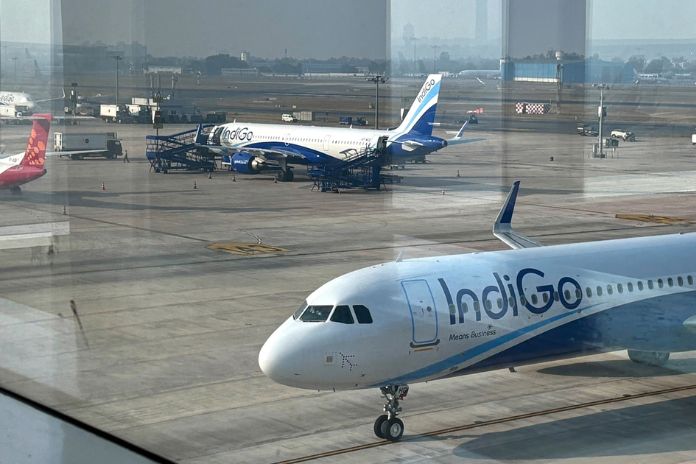
India’s aviation landscape plunged into unprecedented turmoil in early December 2025 as IndiGo, the country’s largest carrier, grappled with a network-wide operational meltdown that lasted six days, from December 1 to 7. This crisis, triggered by acute shortages of pilots and cabin crew following the Directorate General of Civil Aviation’s (DGCA) stricter enforcement of revised Flight Duty Time Limitations (FDTL) rules, resulted in over 2,100 flight cancellations and stranded thousands of passengers during the peak wedding and holiday season. Major airports like Delhi, Mumbai, Bengaluru, and Hyderabad bore the brunt, with ripple effects causing fare surges and widespread passenger outrage.
The disruptions unfolded chronologically, beginning subtly but escalating rapidly. On December 1 and 2, IndiGo’s on-time performance plummeted from a healthy average to 49.5% and then 35%, signaling early cracks in the system as initial cancellations emerged due to crew unavailability. By December 3, the situation worsened with 85 to 100 flights scrapped across key hubs, prompting IndiGo to issue its first public statement acknowledging technical and operational challenges while assuring passengers of efforts to stabilize services.
December 4 marked a sharp intensification, with approximately 550 flights cancelled nationwide and the on-time performance dipping to a dismal 8.5%. In response, the DGCA granted temporary exemptions to FDTL norms to allow airlines to recall rested crew, but the damage was mounting as passengers faced hours-long delays and last-minute rebookings. The chaos peaked on December 5, when nearly 1,600 flights were axed—the highest single-day figure—prompting the Civil Aviation Ministry to launch a dedicated passenger assistance hotline and order an immediate inquiry into the lapses.
On December 6, cancellations hovered around 800, including 124 in Bengaluru and 109 in Mumbai, as IndiGo’s parent company formed a crisis management team. This day saw the DGCA escalate its intervention by issuing stringent show-cause notices to IndiGo CEO Pieter Elbers and Chief Operating Officer Alberto Porqueras, accusing them of failing in their duty to ensure adequate operational arrangements and passenger welfare. The regulator demanded detailed explanations within 24 hours, marking one of the most severe actions against an airline executive in recent years.
By December 7, the seventh day of strife, IndiGo cancelled over 650 flights, with more than 220 affected in Delhi and Mumbai alone, though signs of recovery appeared as the airline operated 1,650 flights and processed refunds totaling ₹610 crore. IndiGo projected full network stabilization by December 10, having waived rescheduling fees until December 15 and returned 3,000 misplaced bags to affected travelers. On-time performance began inching up, with 137 routes active again.
In parallel, parliamentary scrutiny intensified. The Parliamentary Standing Committee on Transport, Tourism and Culture, chaired by JD(U) leader Sanjay Jha, decided to summon top executives from all private airlines, including IndiGo, along with DGCA officials. The panel aims to dissect the root causes—such as crew rostering failures and inadequate contingency planning—and evaluate regulatory oversight. MPs, including CPI(M)’s John Brittas, voiced demands for a joint parliamentary committee or judicial probe, highlighting disruptions that even affected lawmakers en route to the Winter Session in Delhi.
This crisis exposed vulnerabilities in India’s rapidly growing aviation sector, where IndiGo holds over 60% market share. Passengers endured not just delays but exploitative fare hikes, poor communication, and logistical nightmares, fueling calls for airfare caps and stricter penalties. As the government monitors recovery, the summons signal a firm push for accountability, ensuring airlines prioritize safety and service reliability amid expansion pressures.