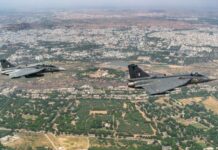
The United Arab Emirates is actively defending its airspace as Iranian ballistic missiles and drones target the country. The UAE Ministry of Defence confirmed that its air defense systems have successfully intercepted multiple ballistic missiles while UAE fighter jets are engaging incoming drones.
These defensive operations come amid escalating tensions in the ongoing Iran–Israel conflict, with coordinated attacks launching against Iranian targets since late February 2026. Despite a temporary ceasefire between the United States and Iran, Iranian projectile attacks continue to threaten regional security.
U.S. Delivers Stark Warning to Iran Over Shipping Routes
U.S. Defense Secretary Pete Hegseth issued a clear and forceful warning to Tehran: any attempt by Iran to attack commercial shipping will trigger a “devastating” military response from the United States.
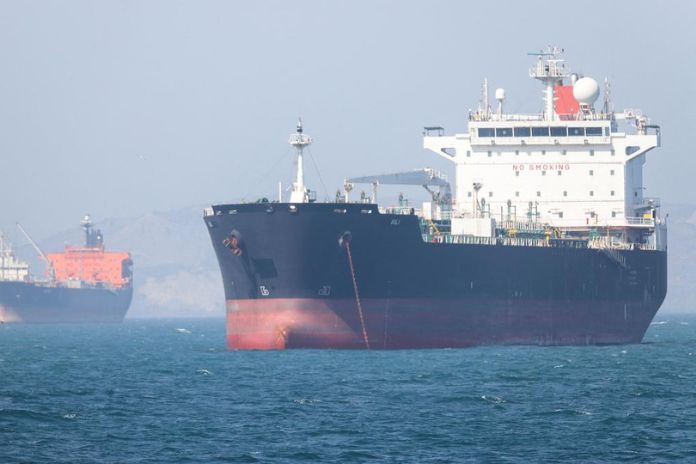
This threat centers on the Strait of Hormuz, one of the world’s most critical maritime chokepoints. Approximately 20% of global oil consumption passes through this narrow waterway between Iran and Oman. Iran had previously closed the strait in response to U.S.–Israeli military operations, disrupting global energy supplies.
The United States is now actively facilitating the safe passage of commercial vessels through the Strait of Hormuz, ensuring global energy markets remain stable despite regional hostilities.
Ceasefire Still Holds—But U.S. Remains on High Alert
Despite the active Iranian attacks on the UAE, Pentagon officials confirm that the two-week ceasefire between the U.S. and Iran remains in effect. Hegseth emphasized that the United States is “not looking for a fight,” though it remains prepared to resume combat operations if necessary.
General Dan Caine, the top U.S. military officer, stated that American forces are ready to immediately resume major combat operations against Iran if ordered by civilian leadership. This position reflects a cautious but highly alert military posture, balancing diplomatic de-escalation with readiness for renewed conflict.
The U.S.–Iran ceasefire was established on April 7, 2026, following intense coordinated strikes by U.S. and Israeli forces against Iranian nuclear and military facilities. The truce is provisional, with both sides monitoring compliance carefully.
Regional Impact and Global Concerns
The UAE’s interception of Iranian projectiles highlights the widening geographic scope of the conflict. While the primary fighting involves Israel and Iran, neighboring Gulf states are now directly experiencing the effects of missile and drone attacks.
Key regional impacts include:
What Happens Next?
Several scenarios could unfold in the coming days:
- Ceasefire holds: If Iran respects the truce and avoids shipping attacks, the two-week pause in U.S.–Iran hostilities may continue.
- Escalation: Any Iranian attack on commercial vessels through the Strait of Hormuz could trigger immediate U.S. military retaliation.
- Expanded conflict: Continued Iranian missile attacks on UAE territory could draw other regional powers more directly into the fighting.
All parties are closely watching Iranian behavior around maritime shipping lanes, as this represents the clearest potential flashpoint for renewed major combat operations.
Bottom Line
The UAE is actively defending itself against Iranian missile and drone attacks while the United States maintains a delicate balance: honoring the ceasefire with Iran but issuing an unmistakable warning that attacks on global shipping will incur devastating consequences. The world’s attention remains fixed on the Strait of Hormuz, where a single miscalculation could reignite broad regional warfare and disrupt global energy markets.