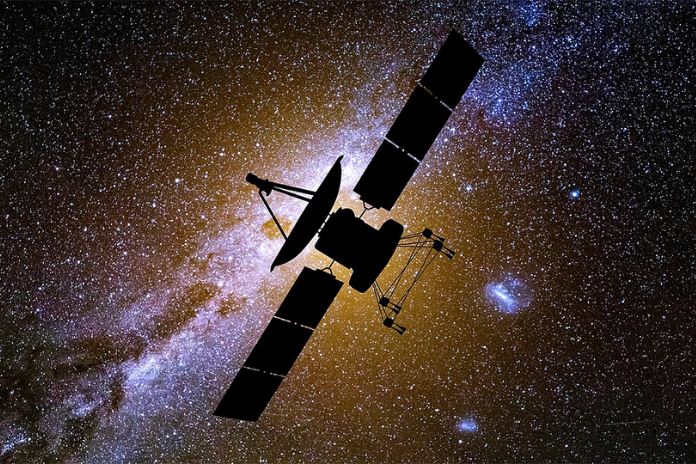
In a groundbreaking moment for India’s private space sector, Bengaluru-based startup GalaxEye Space has successfully launched Mission Drishti, deploying the world’s first Opto-SAR satellite aboard a SpaceX Falcon 9 rocket. Weighing 190 kg, this satellite stands as India’s largest privately built spacecraft to date, fusing optical and radar imaging for unmatched Earth observation capabilities.
Revolutionizing Earth Observation with Opto-SAR Technology
Traditional satellites rely on either optical cameras, which capture stunning, photo-like images but falter in clouds, fog, or darkness, or Synthetic Aperture Radar (SAR), which penetrates all weather using radio waves but produces abstract, less intuitive visuals. GalaxEye’s innovation – branded as Opto-SAR or “SyncFused OptoSAR” – combines both on a single platform. This hybrid approach delivers high-resolution color visuals alongside reliable, all-weather radar data, enhanced by onboard AI for real-time processing.
The result? Crystal-clear imagery for defense surveillance, border monitoring, agriculture, disaster management, and maritime tracking – even through smoke, rain, or night. Sub-meter resolution ensures pinpoint accuracy, making it ideal for spotting oil spills, tracking vessels, or assessing crop health year-round.
Mission Drishti: A Giant Leap for Indian Innovation
Launched today from the U.S., Mission Drishti marks a pivotal step in India’s booming commercial space industry. GalaxEye, founded in 2020, has rapidly scaled from concept to orbit, outpacing global competitors with this first-of-its-kind payload. The satellite’s deployment via SpaceX’s reliable Falcon 9 underscores growing international collaborations, as Indian startups tap into cost-effective rideshare missions.
“This is not just a satellite; it’s a new era of versatile, AI-powered imaging,” a GalaxEye spokesperson noted. Early applications include supporting national security and environmental monitoring, aligning with India’s push for self-reliance in space tech under initiatives like IN-SPACe.
Why Opto-SAR Changes the Game
Optical imaging shines in clear conditions, offering intuitive visuals for urban planning or vegetation analysis. SAR, however, thrives in adversity – radar pulses bounce off surfaces to create 3D-like maps, unaffected by weather. By syncing these modalities, Opto-SAR eliminates trade-offs:
- All-Weather Reliability: No more blind spots during monsoons or wildfires.
- Enhanced Clarity: Fused data provides context-rich insights.
- Cost Efficiency: One satellite does the work of two, reducing launch and operational expenses.
This technology positions India at the forefront of dual-mode satellites, rivaling established players like Israel’s ICEYE or Canada’s UrtheCast concepts, while democratizing high-end data for SMEs and governments.
India’s Private Space Boom
GalaxEye’s feat builds on recent successes, like Pixxel’s hyperspectral constellations. With over 200 private space firms now active, India eyes a $44 billion market by 2033. Mission Drishtiboosts this momentum, showcasing homegrown engineering amid U.S.-India space pacts and relaxed FDI norms.
As the satellite beams back its first images, expect ripples in defense procurement, climate tracking, and precision farming. GalaxEye plans a full Opto-SAR constellation by 2028, promising persistent global coverage.
India’s space story just got bolder – proving startups can orbit ambitions into reality.